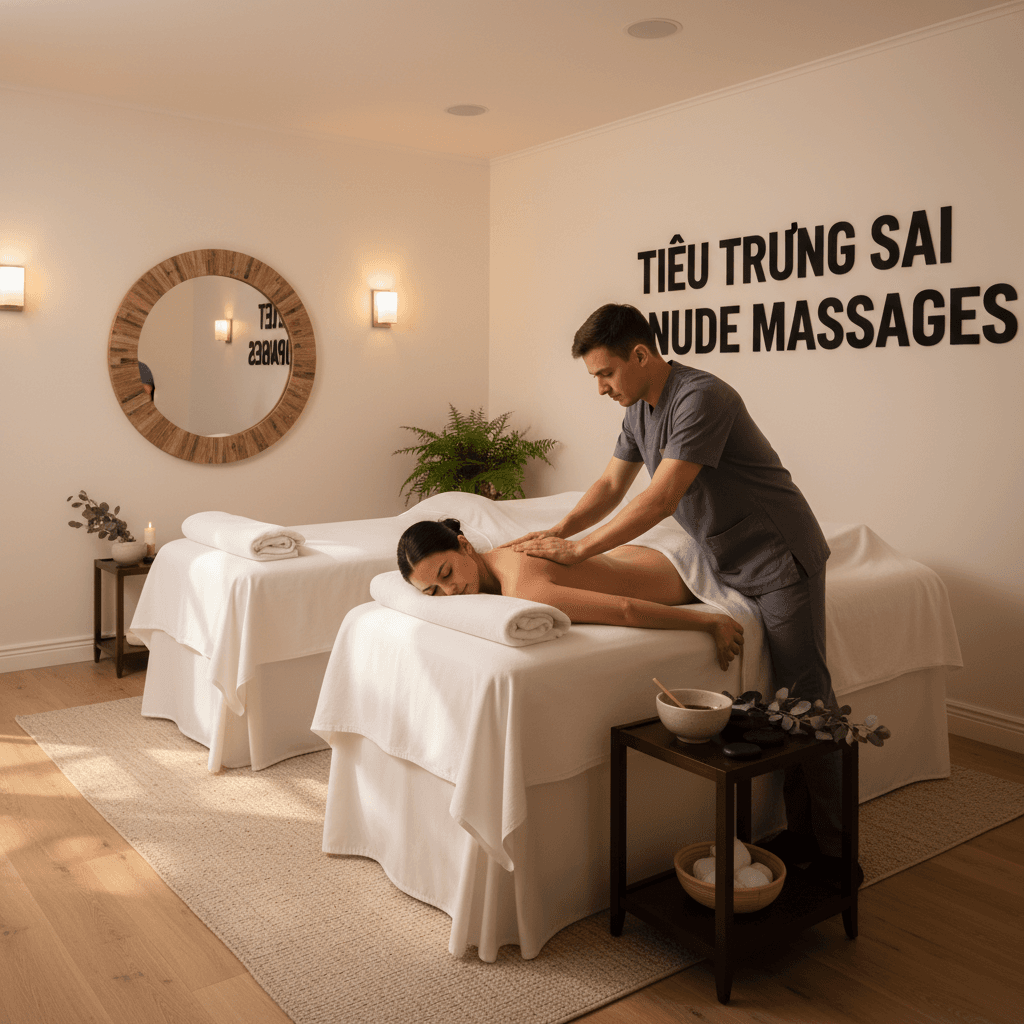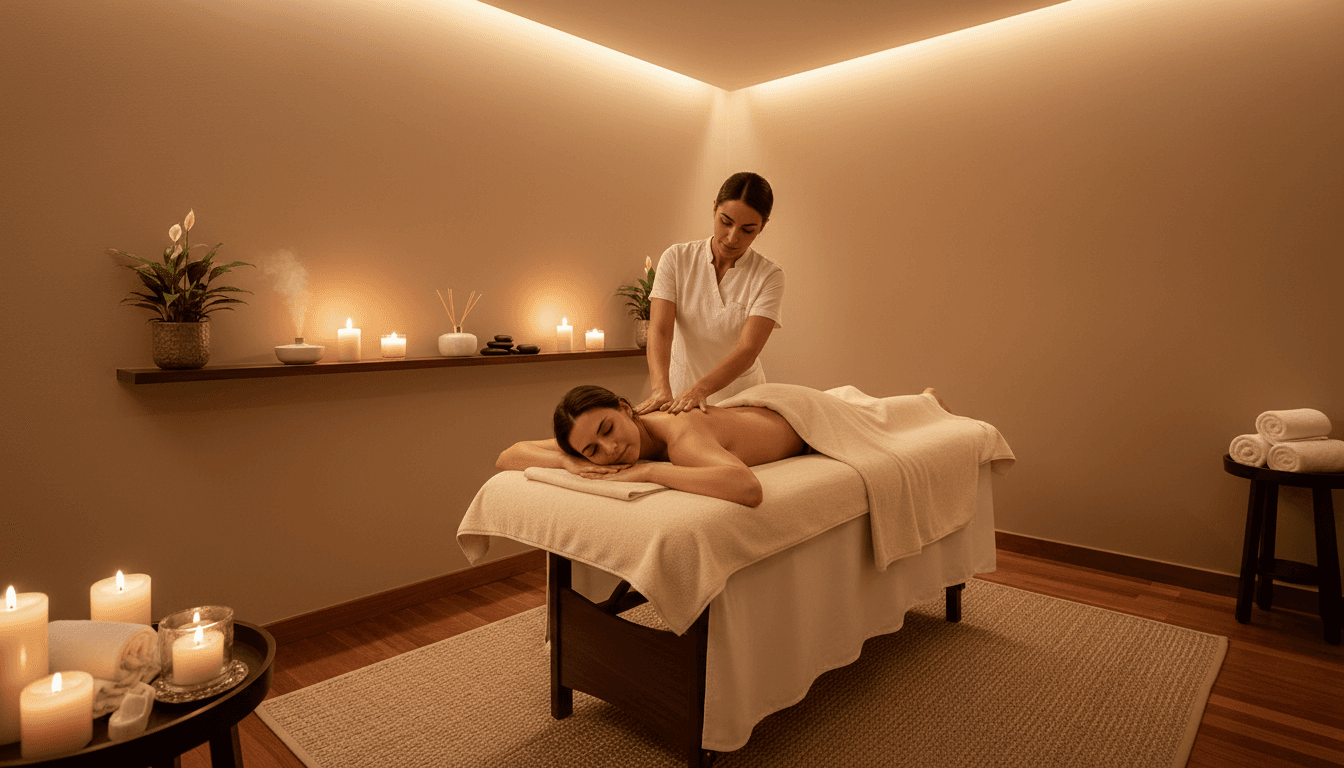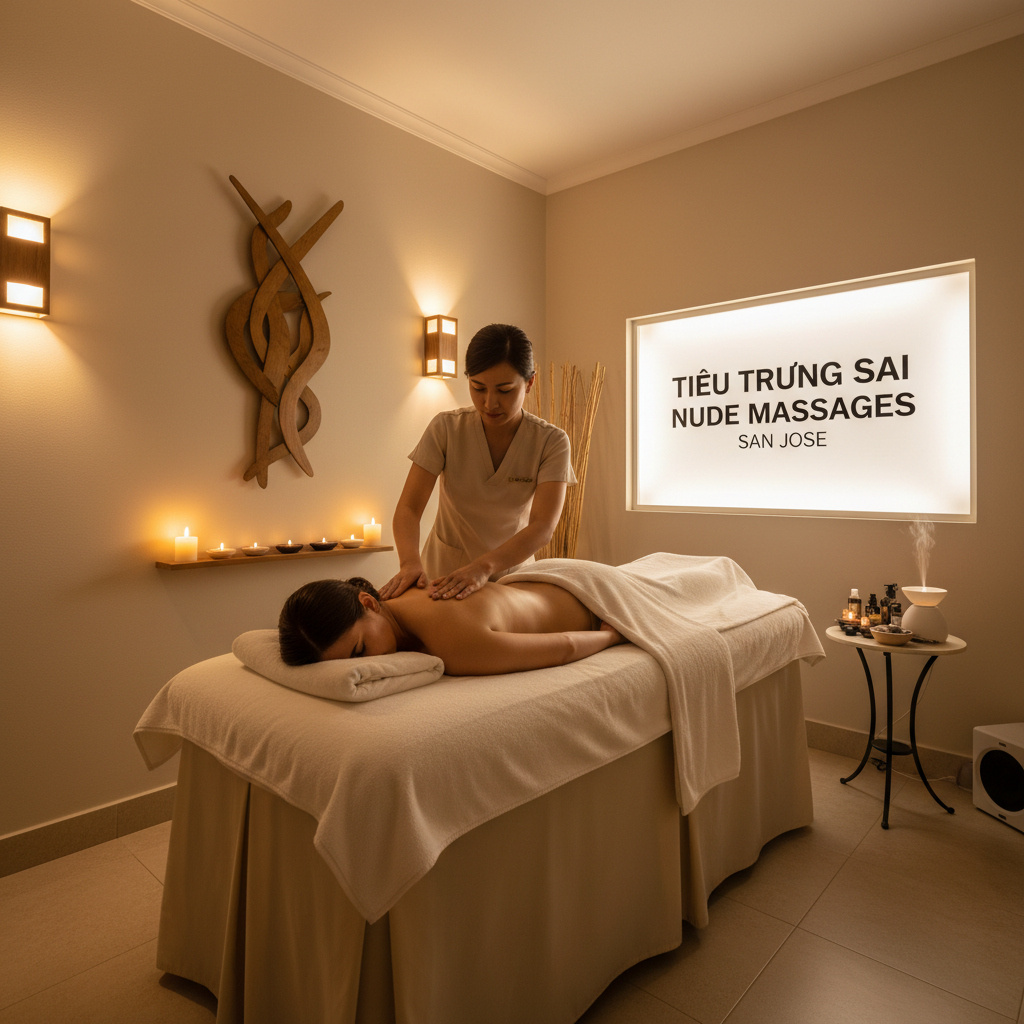
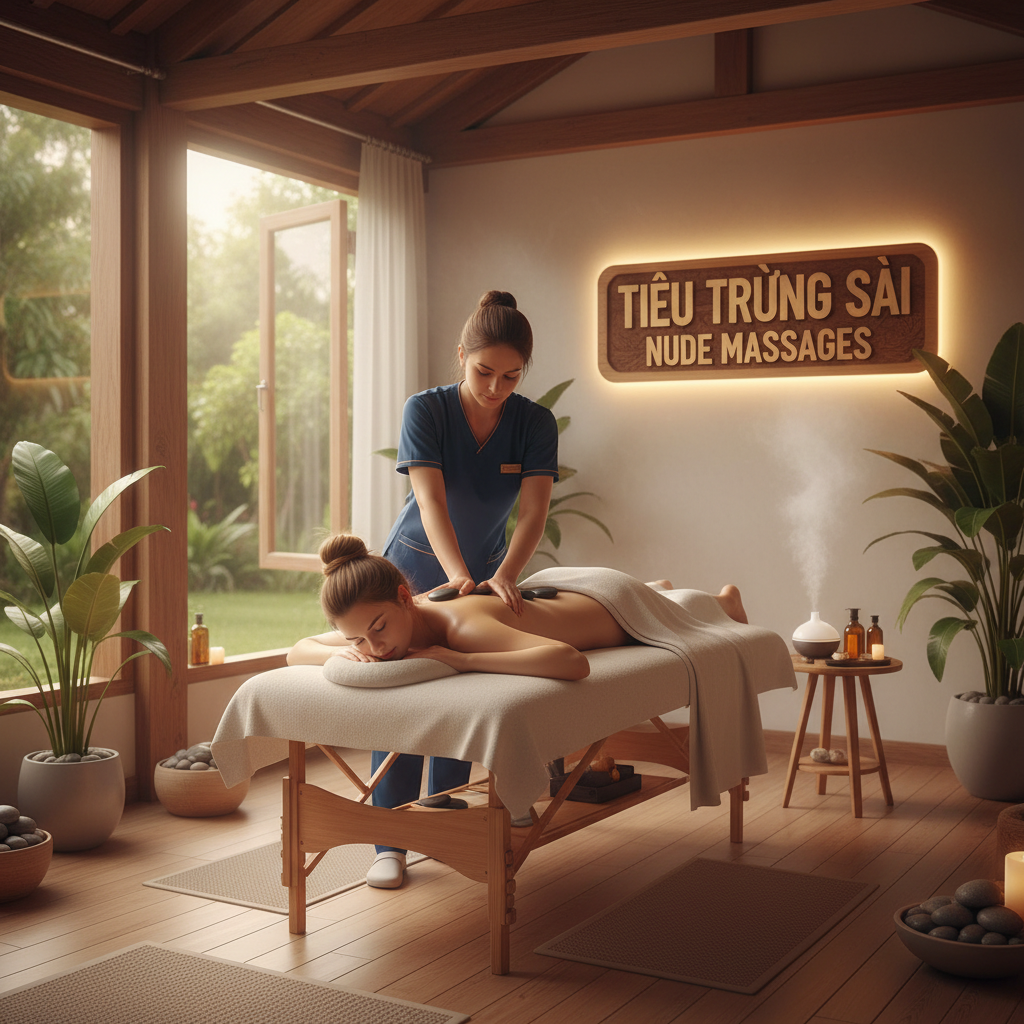
Athletes incorporate a post-workout massage San Jose into their fitness routines to accelerate muscle recovery and minimize soreness by boosting circulation to tired tissues. These sessions help deliver essential nutrients to muscles while improving overall flexibility and range of motion for better athletic performance.
You pushed hard at the gym, crushed a weekend trail run through Alum Rock Park, or finally hit a new personal record at your CrossFit box in San Jose, and now your muscles are screaming for relief. That familiar soreness, tightness, and fatigue can slow your progress, disrupt your sleep, and make your next workout feel like a battle before it even begins. Post-workout massage is one of the most effective, yet consistently overlooked, tools in any active person's recovery plan. In this guide, you will learn what post-workout massage actually involves, what the science says about its benefits, which massage styles work best after exercise, and how to build a recovery routine in San Jose that keeps you moving at your best.
What Is a Post-Workout Massage and Who Is It For
A post-workout massage is a targeted bodywork session designed specifically around what your muscles have just been through. Unlike a general relaxation massage, which focuses on broad tension relief and stress reduction, a post-workout session zeroes in on the muscle groups that absorbed the most strain during exercise. The goal is to release accumulated tightness, support the body's natural repair process, and help you bounce back faster rather than grinding through days of soreness.
San Jose's fitness culture makes this especially relevant. The Guadalupe River Trail draws cyclists and runners year-round. Gym communities in Willow Glen and around Santana Row are active and consistent. Add in the dozens of yoga studios, CrossFit boxes, and recreational sports leagues spread across the city, and you have a population that is regularly asking a lot from its body without always giving recovery the same attention as training.
Post-workout massage is not reserved for competitive athletes. It is just as valuable for the recreational runner logging three days a week, the yoga practitioner who works deep into hip flexors and hamstrings, or the active adult over 40 whose recovery window naturally takes longer. If you exercise consistently, your muscles are accumulating stress that intentional bodywork can meaningfully address.
The Science Behind Post-Workout Massage: What Research Actually Shows
Understanding why post-workout massage works matters, especially when so much wellness content skips the evidence entirely.
For years, the popular explanation was that massage "flushes out lactic acid" from tired muscles. That mechanism has largely been debunked. A 2025 New York Times report highlighted what researchers have come to understand: massage appears to work through neurological and anti-inflammatory pathways rather than mechanical flushing. The benefits are real, but the biology behind them is more nuanced than the lactic acid story suggests.
What the research does support clearly is a reduction in delayed onset muscle soreness, the deep aching stiffness that typically peaks 24 to 72 hours after hard training. Studies indexed in NIH/PMC databases show that post-exercise massage reduces the severity of DOMS, lowers circulating inflammation markers, and meaningfully improves perceived recovery, meaning people feel better and return to activity with less restriction.
The practical takeaway is this: massage after exercise likely works by calming the nervous system's stress response, reducing localized inflammatory signaling in worked muscle tissue, and improving how the body processes the physical demands placed on it. For anyone training consistently in San Jose, that translates to less time feeling wrecked after a hard session and more capacity to show up again sooner.
Top Benefits of Post-Workout Massage for San Jose Athletes
Those neurological and anti-inflammatory effects translate into real, day-to-day advantages for anyone training consistently in San Jose. Here is what regular post-workout massage actually delivers.
1. Faster muscle recovery so you can train again sooner Massage supports the body's repair process by reducing the inflammatory signaling that slows tissue recovery after hard effort. For someone running the Guadalupe River Trail on Saturday and wanting to lift on Monday, that compressed recovery window matters. Getting back to training sooner, without residual stiffness dragging down performance, is one of the most practical reasons active adults book sessions consistently.
2. Reduced soreness and inflammation in overworked muscle groups Research supports that post-exercise massage reduces the severity of delayed onset muscle soreness, the deep aching that peaks one to two days after intense training. Decreased swelling around worked muscle tissue means less restriction in movement and less discomfort during daily activity. If you cycle commute Monday and want to hit a Willow Glen gym Wednesday, that two-day soreness window becomes a real logistical problem that massage can meaningfully shorten.
3. Improved circulation delivering oxygen and nutrients to fatigued tissue Manual pressure and movement during a massage session increases blood flow to muscle tissue and surrounding connective tissue. More circulation means more oxygen and nutrients reaching fibers that are in the middle of repair, accelerating that process rather than leaving muscles to recover passively. This benefit compounds over time for anyone training on a regular weekly schedule.
4. Better flexibility and range of motion supporting injury prevention Consistent training tightens connective tissue and shortens muscle fibers if tension is never actively addressed. Targeted bodywork releases that accumulated tightness before it restricts movement or contributes to an overuse injury. For yoga practitioners working deep into hips and hamstrings, or runners whose IT bands and calves accumulate strain session after session, this is where massage earns its place in a long-term routine.
5. Nervous system recovery and mental reset after intense effort Hard training does not just tax muscles; it taxes the entire stress response system. Massage works through neurological pathways to bring the nervous system down from a heightened state, lowering stress hormones and signaling the body that recovery mode is the priority. The mental clarity and reduced tension after a session are not just pleasant side effects; they are part of how the body consolidates the work done in training.
After Workout or the Next Day: When Should You Schedule Your Massage
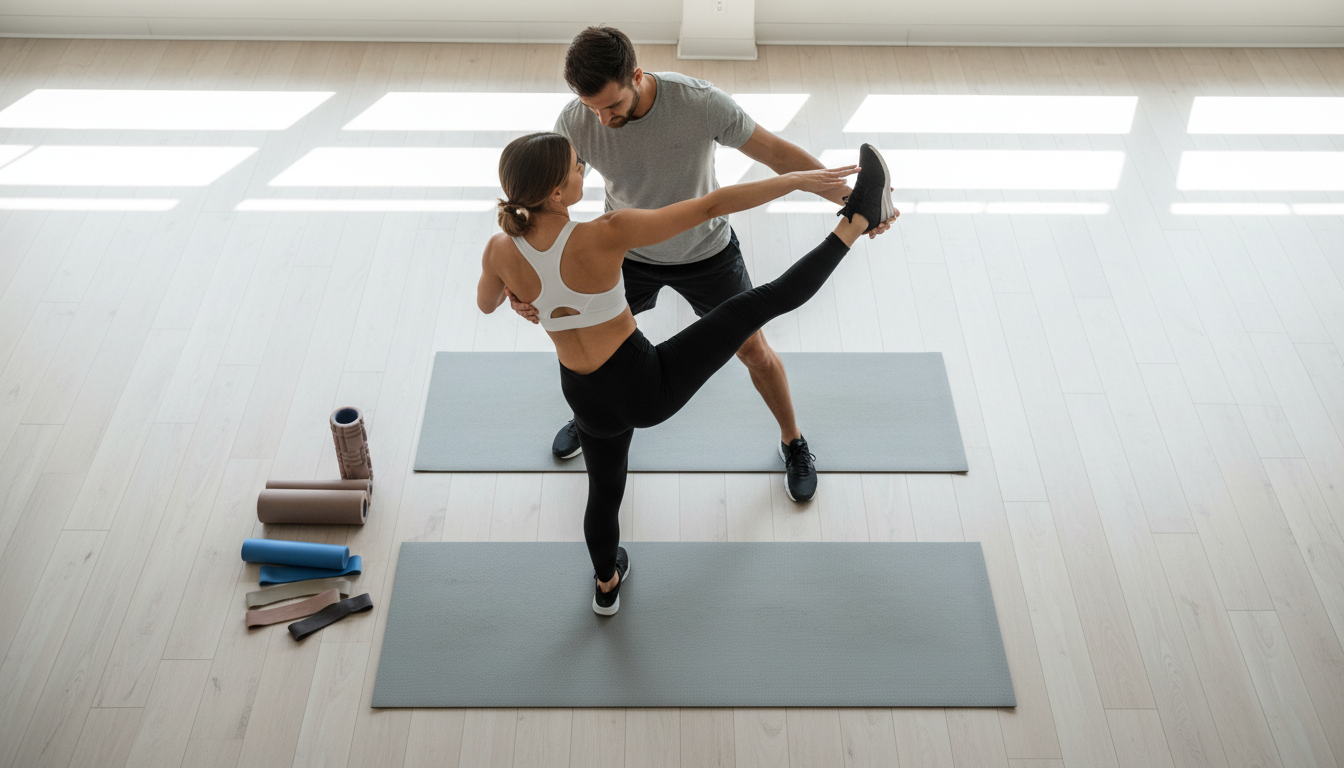
Knowing when to book matters as much as knowing why. The answer depends primarily on how hard you trained.
For moderate sessions, a same-day massage, ideally within two hours of finishing, can work well. Muscles are still warm, circulation is elevated, and the body is primed to respond to manual work. A lighter-pressure session during this window can help settle residual tension, support the nervous system's transition out of exertion mode, and reduce the stiffness that tends to set in a few hours later.
For more intense efforts, heavy lifting, long-distance running, or high-volume interval training, the calculation shifts. Immediately after that kind of output, muscle tissue is already dealing with significant inflammatory activity. Adding aggressive manual pressure on top of that can over-stimulate tissue that needs a quieter environment to begin repair. Waiting 24 hours gives the acute inflammation phase room to settle before bodywork enters the picture.
Pressure level and session length should shift based on timing as well. A session booked the same day calls for lighter, broader strokes rather than deep targeted work. A session 24 to 48 hours out can tolerate more specific pressure on the areas that absorbed the most strain.
For anyone building a consistent post-workout massage San Jose routine, pairing timing decisions with the right session structure makes a meaningful difference in how well you recover between training days.
What Type of Massage Works Best After Exercise
Timing shapes the answer here, which is why the question of which massage type works best after exercise does not have a single universal answer.
Sports massage is the traditional go-to for athletic recovery, and for good reason. It draws on a combination of techniques specifically selected for muscle groups under training stress. But the common assumption that deeper always means better can backfire immediately after an intense session. Applying heavy deep tissue pressure to already inflamed muscle tissue adds mechanical stress on top of biological stress the tissue is already managing. For very hard efforts, that tradeoff works against recovery rather than supporting it.
A more useful framework is matching technique to the body's current state. In the 24 to 48 hours following moderate to intense training, broader Swedish-style effleurage strokes serve recovery well. They increase circulation, support the nervous system's transition out of exertion mode, and move through muscle tissue without provoking additional inflammatory response. Once the acute phase settles, more targeted myofascial work can address specific areas of lingering tightness, such as hip flexors after long runs or upper traps after heavy pressing sessions. Full-body sessions offer whole-system relief when accumulated fatigue has spread across multiple muscle groups rather than concentrating in one area.
At Tieu Trung Sai, personalized massage services are built around exactly this kind of adaptive approach. Sessions follow the client's individual physical state and goals rather than a fixed script, which means the pressure, focus areas, and technique shift based on what actually makes sense for where your body is that day.
How Post-Workout Massage Fits Into a Recovery Routine in San Jose
Choosing the right session type is one piece of a larger puzzle. A single well-timed massage does meaningful work, but its benefits compound when it sits inside a broader recovery routine rather than standing alone.
The fundamentals still apply: consistent hydration before and after a session helps tissue respond to manual work and clears metabolic byproducts more efficiently. Quality sleep is when the body actually rebuilds muscle fiber, so a massage that supports nervous system recovery the night before a good night of sleep does double the work. Light stretching in the 24 hours following a session, while tissue is more pliable, helps extend the range of motion gains made during bodywork. And adequate protein intake gives the raw material for the repair process that massage helps accelerate.
For frequency, most active San Jose residents find that once every one to two weeks is a sustainable starting point that produces noticeable cumulative results. Athletes in peak training blocks often benefit from weekly sessions to stay ahead of accumulating tension. For a more detailed breakdown of timing based on training volume and session goals, the guide on how often to schedule massage sessions covers this in depth.
San Jose's mild climate and year-round outdoor culture mean this is not a seasonal consideration. Cyclists riding Almaden Quicksilver trails in January and runners logging miles through summer heat both need consistent recovery frameworks, not just offseason attention.
As training volume shifts across the year, session type and pressure level should shift with it. A lighter maintenance session during a lower-intensity week serves the body differently than a deeper focused session during peak training, and both have their place.
What to Expect at a Post-Workout Massage Session in San Jose
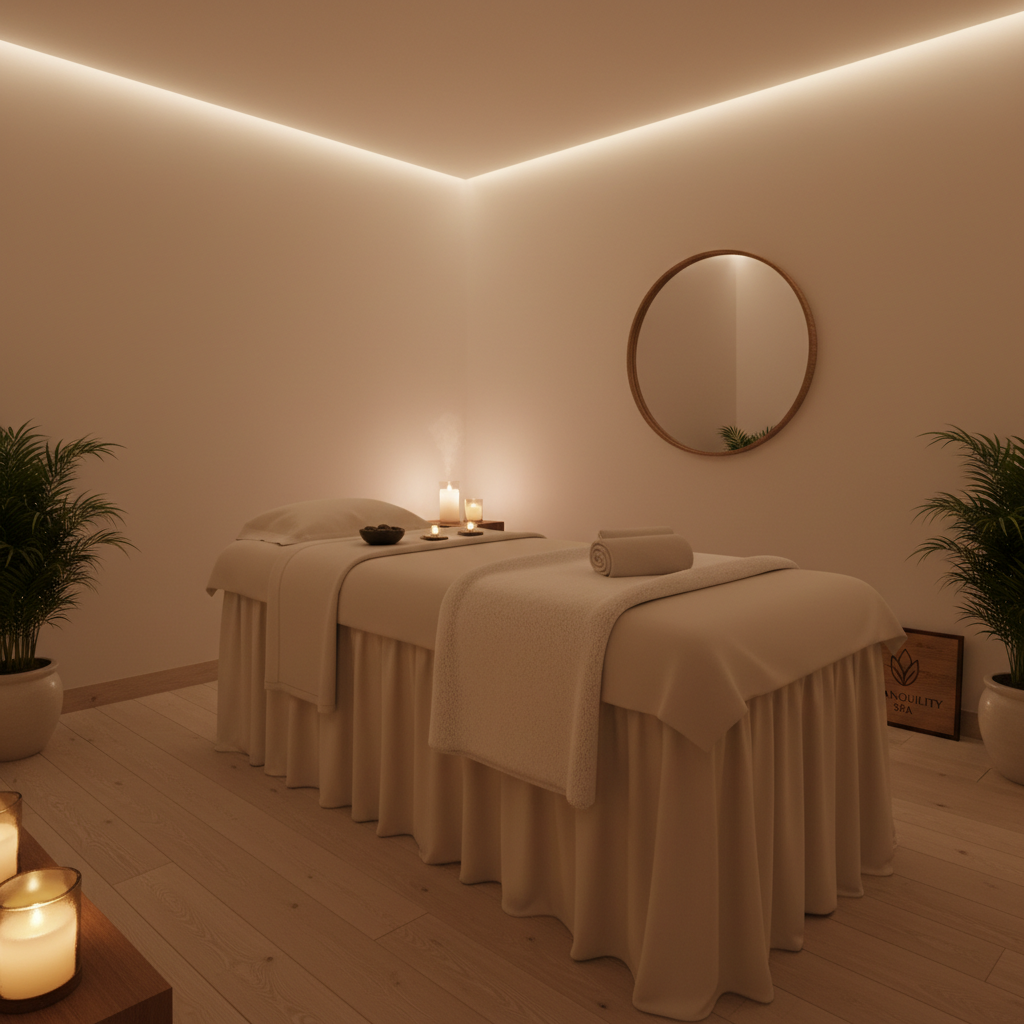
Knowing what actually happens during a session removes most of the hesitation first-timers carry into booking.
When you arrive, the session begins with a brief intake conversation. This is not a formal intake form; it is a practical exchange. The therapist wants to know what you trained recently, which areas feel most loaded, and whether anything is acutely sore or injured. That information shapes everything that follows: pressure level, focus areas, and the general rhythm of the session.
From there, the therapist works through the muscle groups that need the most attention, adjusting technique based on how tissue actually responds rather than following a fixed protocol. Broader strokes settle the nervous system first; more specific work addresses concentrated tightness in the areas you flagged. You stay in communication throughout. If pressure needs to shift, you say so.
Afterward, mild soreness in deeply worked areas is normal and typically resolves within a day. It signals that tissue was genuinely engaged, not that anything went wrong.
Sessions are available as clothed and unclothed session options, and both deliver the same therapeutic benefit. The choice comes down entirely to your comfort level. Nothing about the format is fixed, and there is no expectation to follow a particular structure. The session is built around you.
Book a Post-Workout Recovery Session in San Jose
If you train consistently in San Jose, your body deserves recovery that is as intentional as the work you put in. Tieu Trung Sai is here for cyclists logging miles on the Guadalupe River Trail, gym regulars in Willow Glen, runners, yoga practitioners, and active adults who want to feel better between sessions, not just eventually. Every session is built around your specific tension patterns and recovery goals, with pressure and focus areas adjusted to match where your body actually is that day. There is no rigid format, just skilled, personalized bodywork designed to help you recover fully and get back to what you love.
Book your post-workout recovery session in San Jose and let us help you close the gap between training and feeling ready to train again.
Integrating post-workout massage into your fitness regimen can significantly improve recovery times and boost overall performance. Whether you are training for a marathon or simply staying active in San Jose, giving your muscles the care they deserve is essential for long-term health. While home recovery tools have their place, sometimes a more personalized approach is necessary to address specific tension. If you want expert help refining your wellness routine, feel free to learn more About our philosophy and specialized techniques.