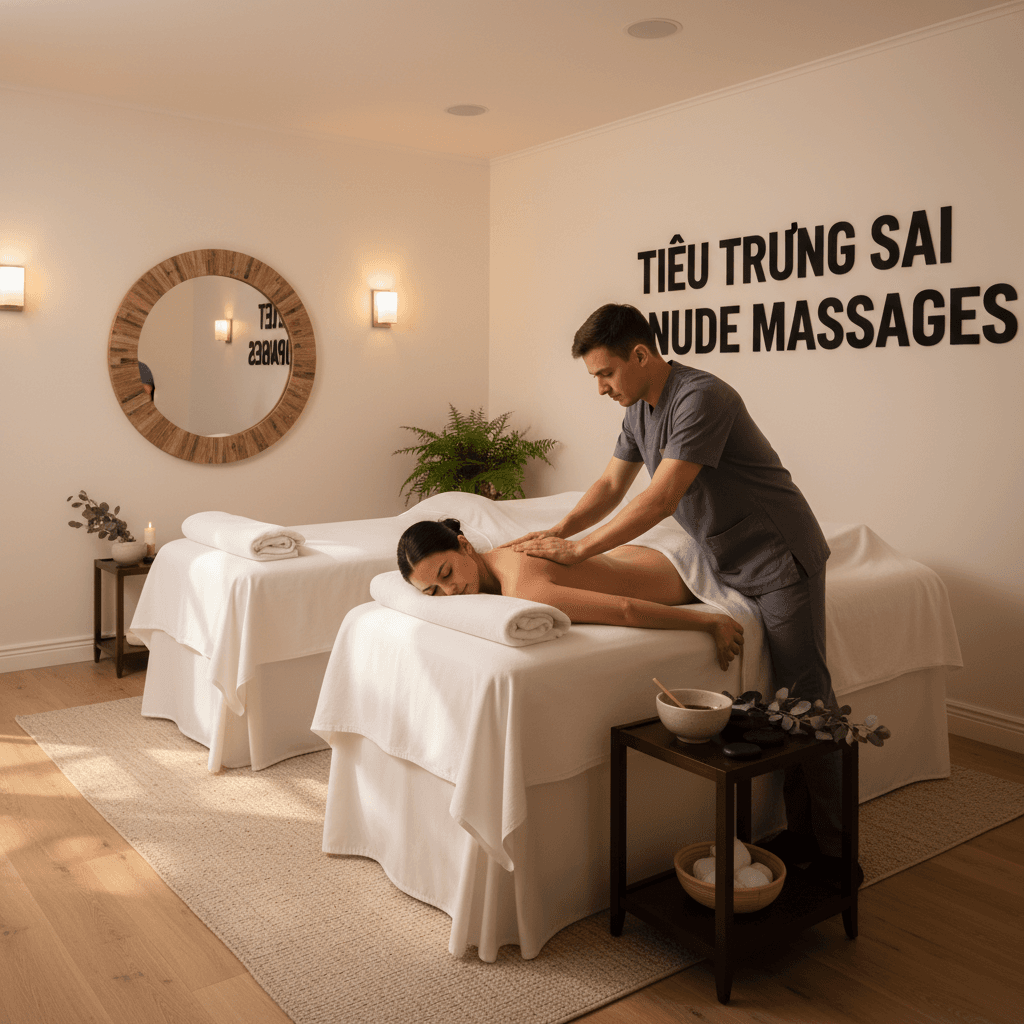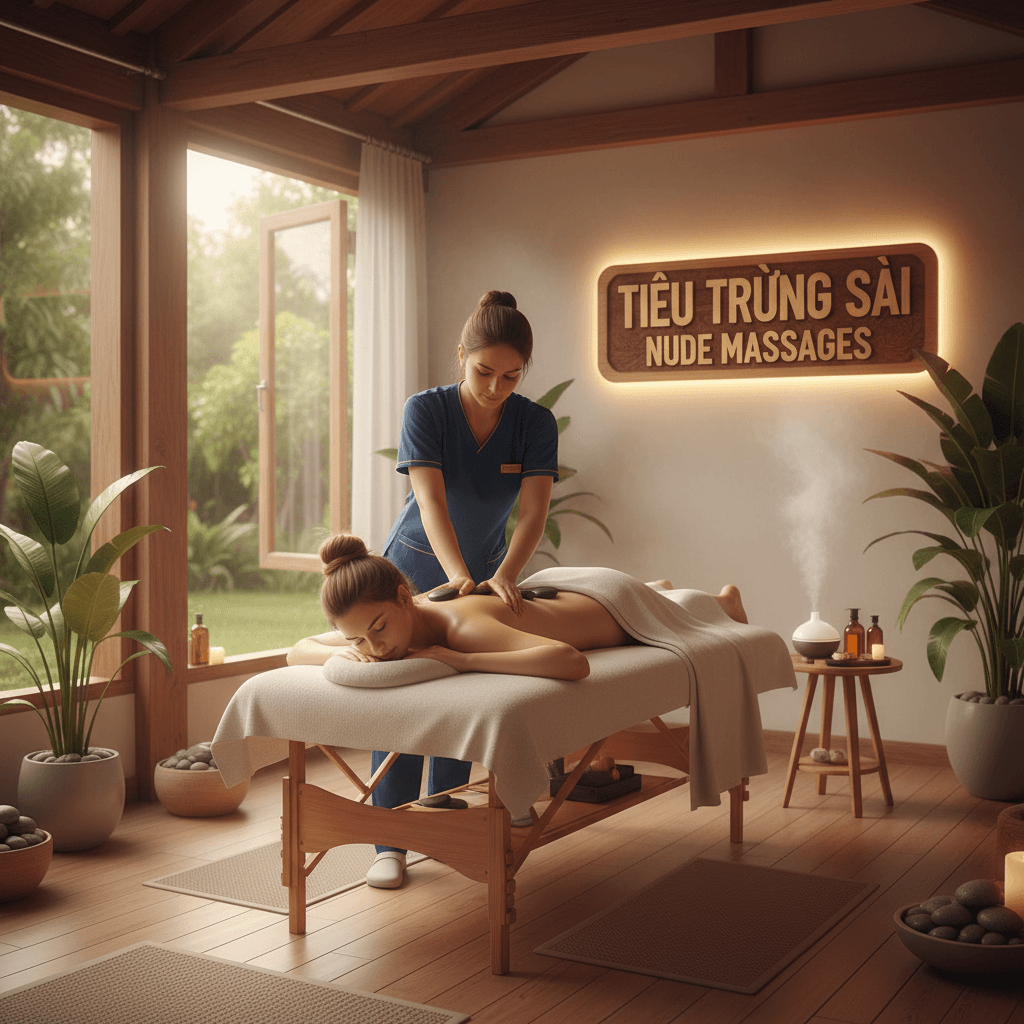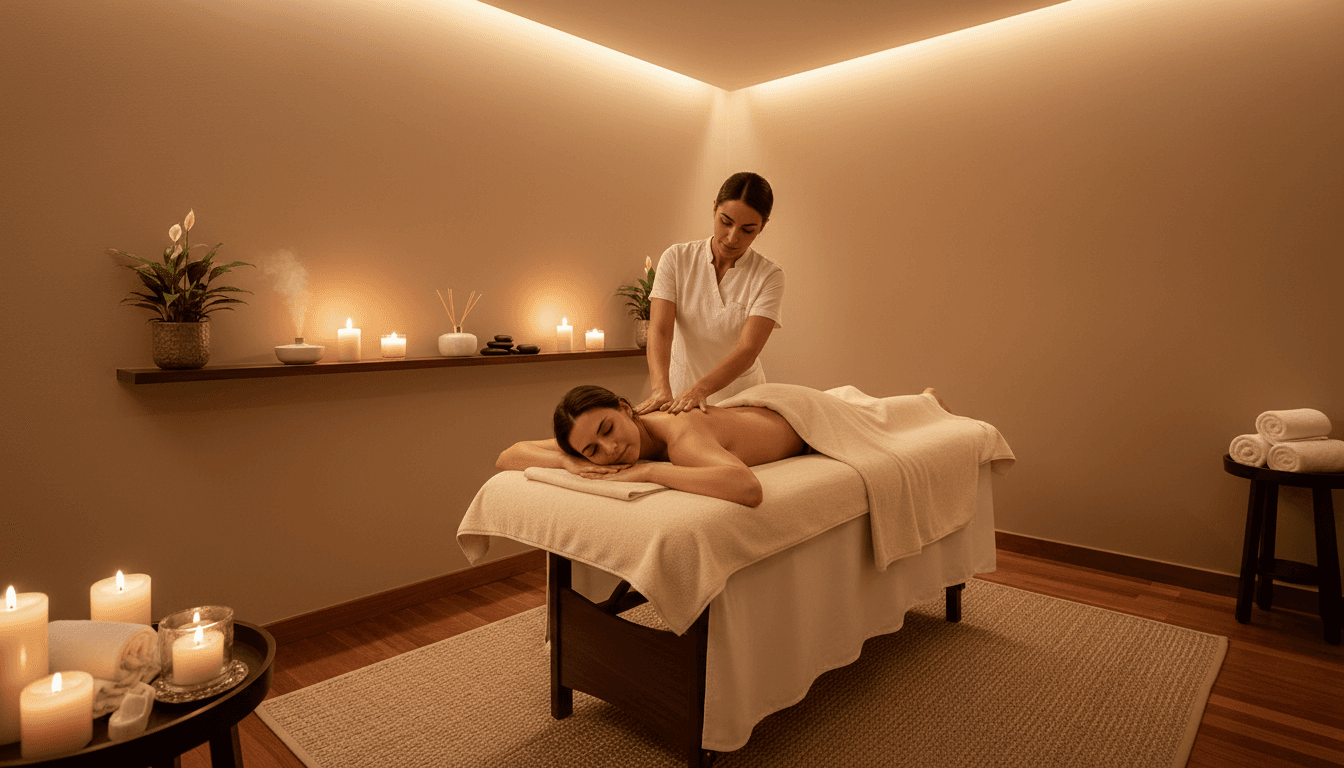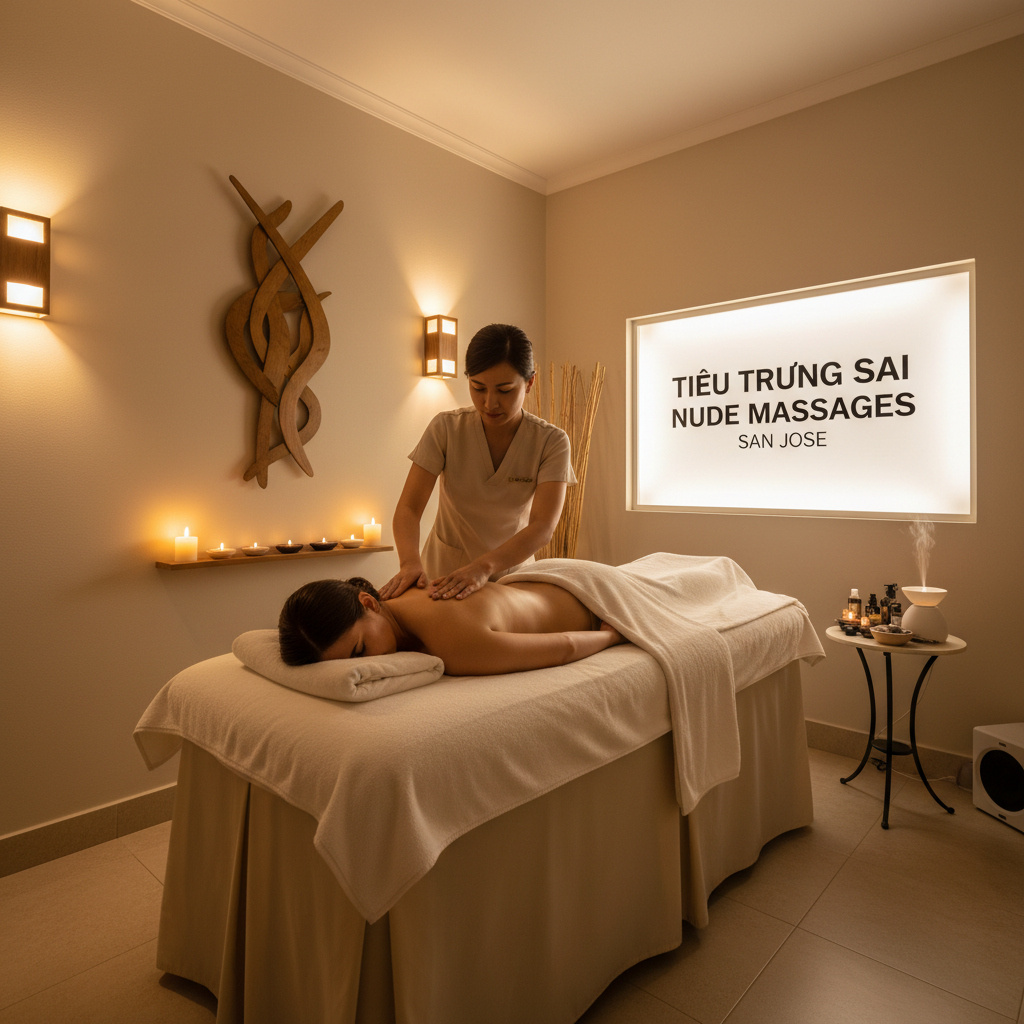
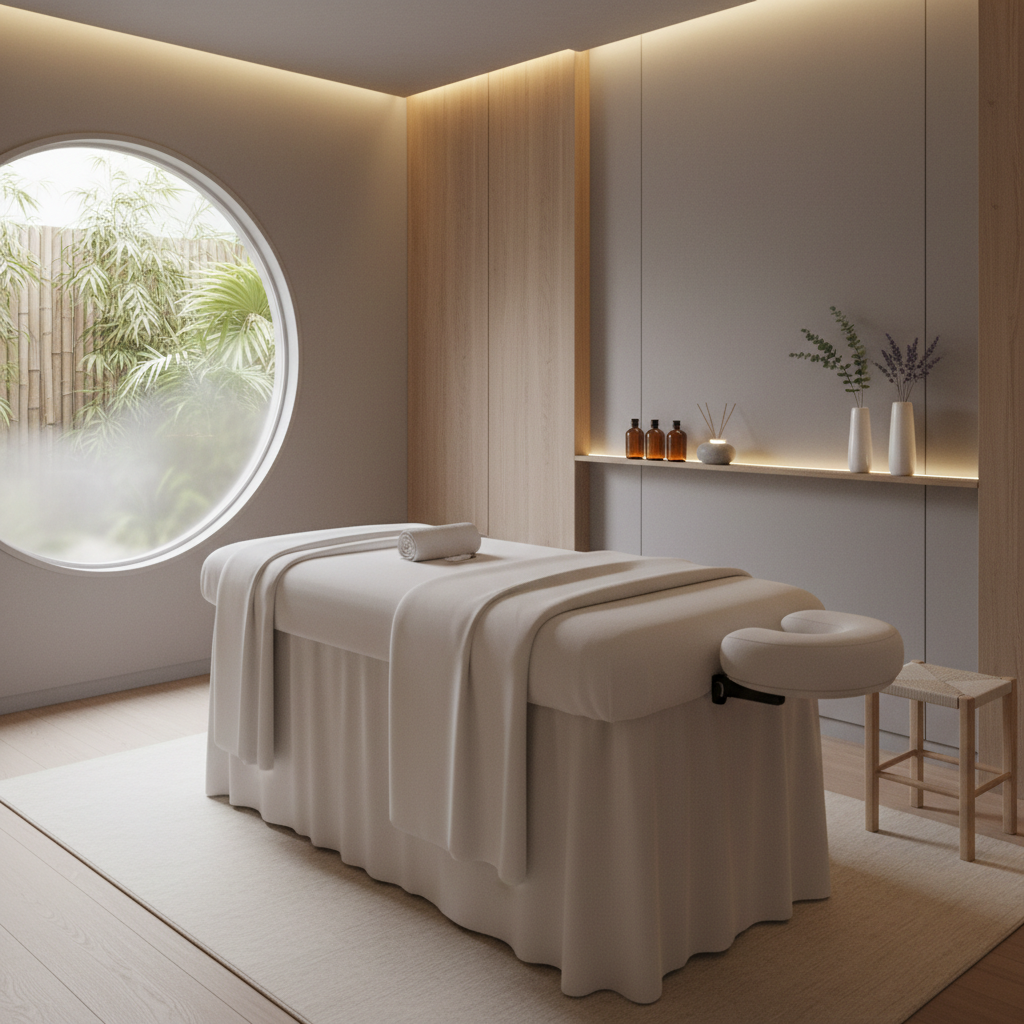
Knowing what to expect during full body massage includes undressing to your comfort level in private and receiving rhythmic strokes that target muscle tension in the back, neck, and limbs. Your therapist will use sheets for modesty while adjusting pressure and techniques based on your real-time feedback. This professional session promotes deep relaxation and physical relief through a structured sequence of therapeutic touch.
You booked the appointment, but now the questions are creeping in. What actually happens behind that closed door? Do you have to undress completely? Will it hurt? For first-timers in San Jose, the anticipation of a full-body massage can feel just as tense as the knots you came in to release. Understanding what to expect before you arrive makes the difference between a session where you spend the whole time in your head and one where you finally, truly let go. In this guide, we walk you through everything, from how to prepare your body beforehand, to what a professional therapist actually does during each phase of the session, to how you care for yourself after to lock in every benefit.
What Exactly Is a Full-Body Massage?
A full-body massage is a hands-on therapeutic treatment that systematically works through the body's major muscle groups: the back, neck, shoulders, arms, hands, legs, feet, and often the scalp. Despite the name, "full body" does not mean every inch of the body is addressed in a single session. It means the session is structured to move through multiple areas rather than focusing exclusively on one spot, such as just the neck or lower back.
Therapists use techniques like effleurage (long, gliding strokes) to warm tissue before applying more targeted pressure to areas holding real tension. The specific areas covered, and the depth of that work, are shaped by what the client actually needs that day.
Sessions are available as clothed or unclothed, and understanding what to expect during a full body massage starts with knowing that both are entirely professional options. At Tieu Trung Sai in San Jose, we offer clothed and unclothed massage options so every client can choose whatever feels right for their comfort level and therapeutic goals.
How to Prepare for Your Full-Body Massage Session
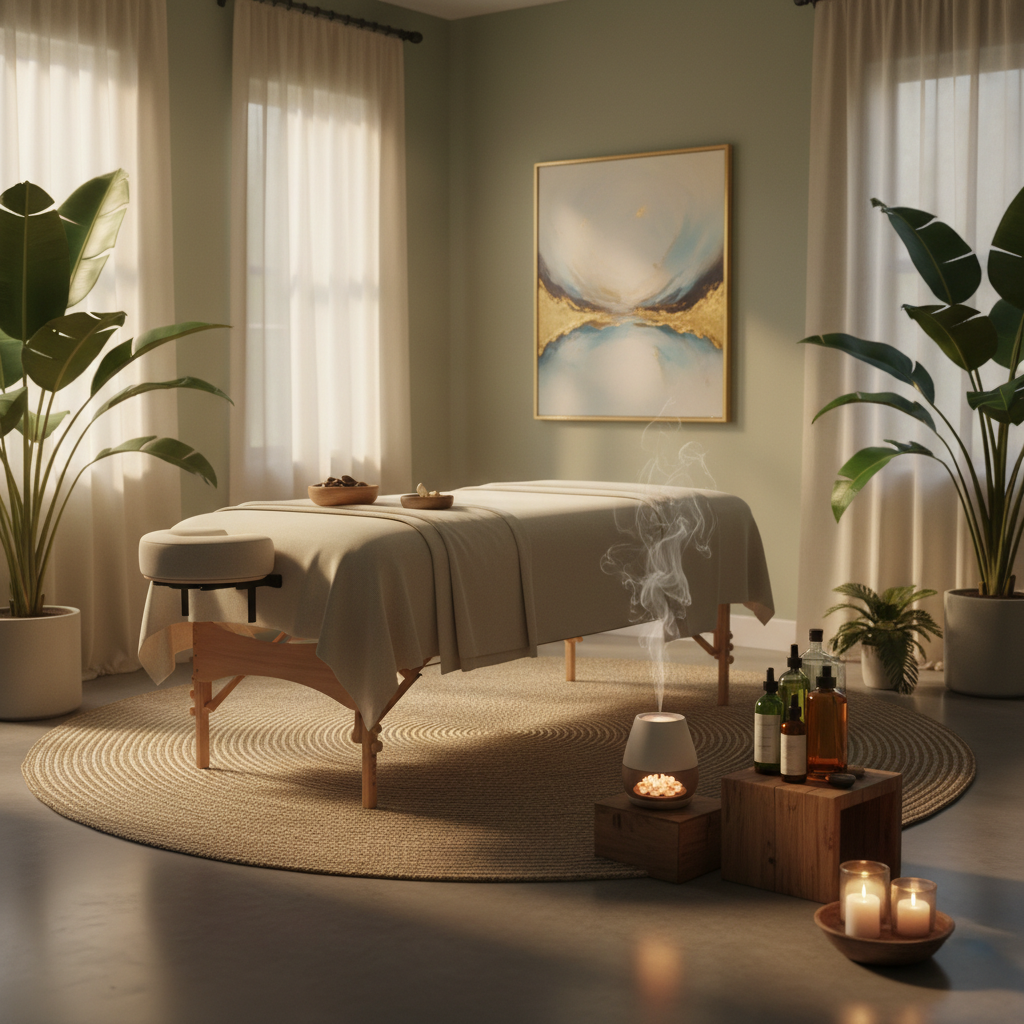
Knowing what to expect during a full body massage is only half the equation. How you show up matters just as much as what happens on the table.
Start hydrating the day before your appointment, not just the morning of. Muscles that are well-hydrated respond to manual pressure more readily, and the benefits of the work carry further. On the day itself, eat something light at least 90 minutes before your session. A full stomach makes lying face-down uncomfortable; arriving genuinely hungry is equally distracting.
If you can shower beforehand, do it. Beyond basic courtesy to your therapist, clean skin absorbs oils and lotions more effectively during unclothed sessions.
Plan to arrive 10 to 15 minutes early. That buffer gives you time to complete a short intake form, flag any injuries or areas of specific tension, and actually settle before the session starts. For clients driving from downtown San Jose or the Willow Glen area, factor in street parking or nearby lots so you are not walking in rushed and tense. Arriving frantic undoes some of the benefit before the work even begins.
As for what to bring: nothing special. Leave the extras at home.
One final step that is easy to overlook: silence your phone completely and make a conscious decision to set aside work thoughts before you walk through the door. A mind still running through emails cannot fully receive the physical relief that personalized bodywork sessions are designed to deliver.
What to Wear and What Happens When You Undress
Clothing anxiety stops a surprising number of people from booking their first massage, so it is worth addressing directly: you undress to whatever level you are personally comfortable with, and nothing more.
Before you remove anything, your therapist steps out of the room completely. You disrobe in private, lie down on the table, and pull the sheet over yourself. That sheet stays with you throughout the entire session. The therapist uncovers only the specific area being worked at any given moment, then re-drapes before moving on. No other areas are exposed.
A question that comes up often is whether a full-body massage includes the gluteal muscles. Trained therapists do sometimes work the glutes as part of addressing lower back and hip tension, since those muscles are directly connected. What is never touched during a legitimate therapeutic massage are private areas, full stop. That boundary is non-negotiable, and any reputable session is structured around it.
For clients choosing clothed sessions, loose-fitting clothing works best. Think athletic shorts and a light t-shirt rather than fitted jeans or anything restrictive. The therapist can still address many areas effectively, though oils and deeper muscle access are more limited compared to unclothed work. If you are weighing your options before booking, our clothed vs unclothed massage post goes into more detail.
At Tieu Trung Sai, what to expect during a full body massage is not dictated by a fixed checklist. Your comfort level shapes the session from start to finish, and that conversation happens before any work begins.
A Step-by-Step Walkthrough of the Session Itself
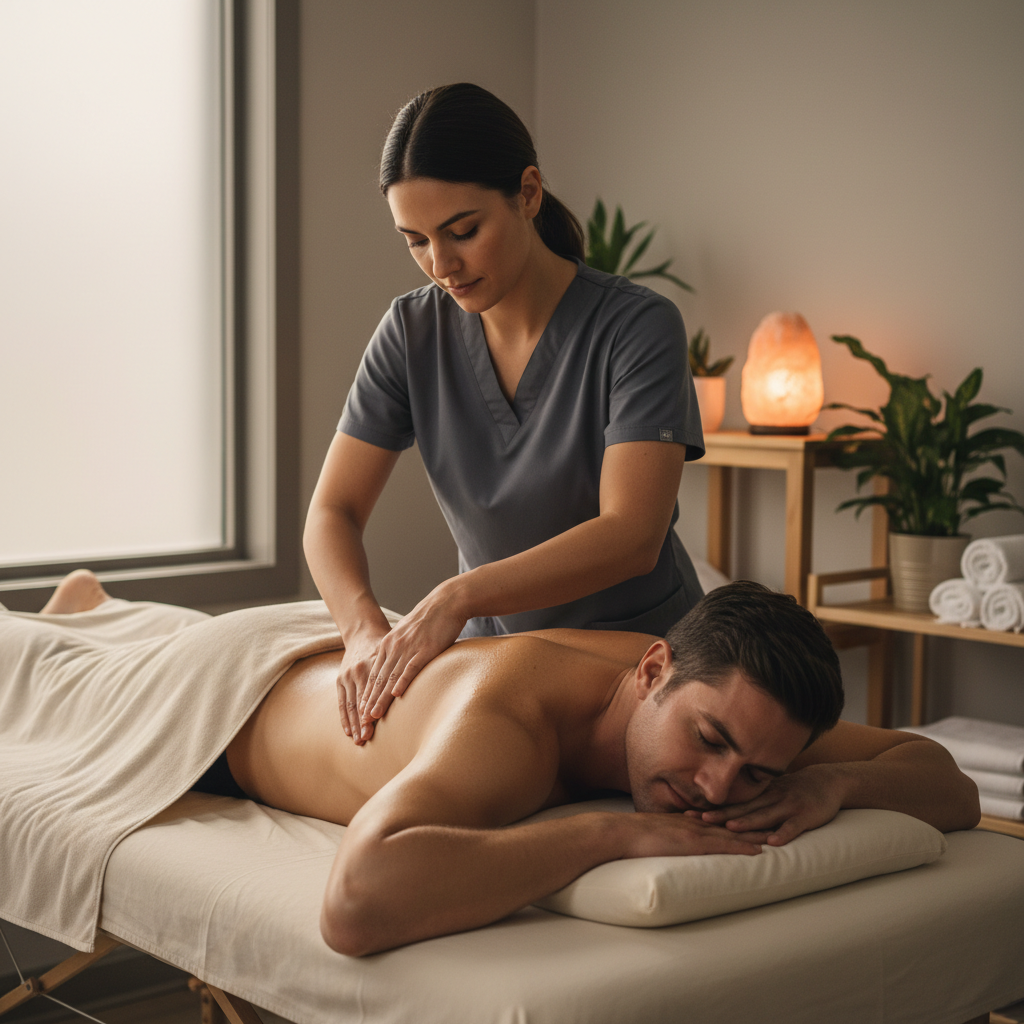
Now that you know what to wear and how draping works, the next natural question is what actually happens once the session is underway.
Most sessions at Tieu Trung Sai run 60 or 90 minutes. The therapist begins with you lying face-down, starting at the back and shoulders. The opening strokes are effleurage, long, gliding passes across the full length of the back that warm the tissue and begin releasing surface tension before any deeper work is attempted. This is deliberate. Pressing hard into cold muscle is both uncomfortable and less effective.
As the tissue responds, pressure gradually builds. The therapist works through the upper back, neck, and shoulders with more targeted techniques, addressing the places where most people carry chronic tension. From there, the session moves systematically: down to the lower back, then the backs of the legs, calves, and feet before asking you to turn over. The front of the session covers the legs, arms, hands, and often the scalp.
To answer the question directly: what gets touched in a full-body massage includes the back, neck, shoulders, arms, hands, legs, feet, and scalp. Gluteal muscles may be addressed as part of lower back and hip work. Private areas are never touched.
The difference between relaxation work and deeper targeted pressure comes down to intent. Lighter, rhythmic strokes calm the nervous system and are typically used across larger areas. Slower, more specific pressure targets the muscle belly or areas of genuine restriction. Most sessions blend both, shifting based on what each area actually needs.
At Tieu Trung Sai, the order and emphasis are not fixed. If you carry most of your tension in the hips and lower back, the session can weight that work accordingly. The therapist checks in on pressure throughout rather than assuming the opening preference holds for every area.
When the session ends, the therapist signals clearly and steps out, giving you privacy to re-dress at your own pace.
Clothed vs Unclothed Sessions: Understanding Your Options
Once you understand what to expect during a full body massage session itself, the next practical decision before booking is whether to keep clothing on or remove it.
Some clients prefer staying clothed, whether for personal comfort, cultural reasons, or simply because it is their first session and they want to ease in gradually. Clothed sessions are fully effective for relaxation and general tension relief. The trade-off is access: fabric limits direct contact with muscle tissue and prevents the use of oils and lotions, which is where a meaningful difference in therapeutic depth can show up.
Unclothed sessions allow the therapist to work directly on the skin using oils or lotions, which reduces friction, improves glide, and lets techniques like effleurage reach deeper tissue more efficiently. For clients with significant muscle tension in the back, hips, or legs, that direct access often produces more thorough results.
Both options are completely professional. The draping described earlier applies equally to unclothed sessions, and comfort level is the deciding factor, not any assumption about what produces better results.
If you are still weighing the decision, our clothed vs unclothed massage post covers the specifics in full detail. When you book with us, the team walks through your preferences before any session begins so nothing is assumed in advance.
How to Communicate With Your Therapist for the Best Results
Choosing clothed or unclothed sets the framework for your session, but what actually determines the quality of what you experience is how openly you communicate throughout.
Before the session begins, tell your therapist about any injuries, areas of acute soreness, or spots you want avoided entirely. A recent shoulder strain, a tender lower back, or a patch of skin irritation are all things your therapist needs to know. This is not oversharing; it is the intake information that shapes every decision they make from the first stroke onward.
During the session, speak up about pressure the moment something feels off. Saying "a little lighter please" or "can you spend more time on my shoulders" is not a complaint. It is exactly the kind of feedback a skilled therapist is waiting for, because pressure tolerance varies by area and by person, and no one can feel what you feel. If you stay silent through discomfort, you walk out with less than you came for.
This brings up a question first-timers sometimes search: what counts as a red flag in massage? A legitimate therapist welcomes real-time feedback, adjusts without hesitation, and never touches an area without your consent. Any therapist who dismisses feedback, applies pressure you have asked them to ease, or moves toward boundaries you have not agreed to is not operating within professional standards.
At Tieu Trung Sai, communication is built into how every session runs. Knowing what to expect during a full body massage includes knowing that your voice is part of the process, not an interruption to it.
What to Do After Your Massage to Maximize the Benefits

Good communication during the session is only part of the equation. What you do in the hours afterward shapes how much of that work actually holds.
Drink water consistently for the rest of the day after your session. Massage increases circulation and stimulates lymphatic flow, which releases metabolic byproducts from muscle tissue into the bloodstream. Water helps your body process and clear those byproducts. Skipping this step can amplify post-session soreness unnecessarily.
Avoid alcohol and vigorous exercise for at least a few hours after. Both place additional demand on a body that has just been through meaningful physical work and is still integrating the effects. Rest when you can, even if only for an evening.
One thing worth knowing before you leave the table: the timeline for feeling better varies. Some clients walk out with immediate, noticeable relief. Others feel slightly sore 24 to 48 hours later, particularly after deeper work on chronically tight areas. That soreness is not a sign something went wrong; it is the muscle tissue responding and recovering. The full benefit often shows up on the second day.
As part of what to expect during a full body massage at Tieu Trung Sai, your therapist will frequently offer specific aftercare guidance tied to what was addressed in your session, not generic advice.
On tipping: there is no fixed rule, but a tip in the range of 15 to 20 percent is a reasonable and appreciated way to acknowledge quality work. If a $20 tip feels right for your session, it is a genuinely meaningful gesture for a therapist who tailored the hour to what you actually needed.
Understanding what to expect during your first full body session can significantly reduce any initial anxiety and help you focus on the healing process. Whether you are seeking relief from muscle tension or simply a moment of peace, preparation is the key to a successful experience. If you want expert help navigating your wellness journey, our team at Tieu Trung Sai Nude Massages is dedicated to providing a comfortable and personalized environment for every client. You can read more About our philosophy and dedicated approach to bodywork to see if our services align with your specific relaxation goals.