Regular massage therapy provides cumulative health advantages that single sessions cannot match, including sustained pain relief and improved circulation. By maintaining a consistent schedule, individuals experience significant reductions in chronic muscle tension and stress while supporting long-term mobility. These benefits of regular massage therapy strengthen the body's natural healing processes and prevent future physical ailments from arising.
You booked one massage, felt incredible for a few days, and then the tension crept right back. Sound familiar? That single session of relief is not a flaw in the therapy; it is simply your body asking for more. Massage therapy works best as a practice, not a one-time fix, and the difference between occasional and consistent bodywork is the difference between temporary comfort and lasting change. At Tieu Trung Sai, we see this transformation in our clients regularly. In this guide, you will learn exactly what happens inside your body when massage becomes routine, how to find the right frequency for your specific needs, and how to build a realistic, sustainable bodywork schedule right here in San Jose.
One Session Feels Good. Regular Bodywork Changes Everything.
A single massage session delivers real, immediate relief. Tight shoulders soften, your breathing slows, and the low-grade tension you have been carrying all week finally releases. That result is genuine. But it is also temporary, and understanding why is the key to getting the most out of bodywork.
Think of it this way: one solid workout leaves you feeling better, but it does not build endurance, reshape posture, or retrain movement patterns. That requires a consistent training stimulus over weeks and months. The same logic applies to massage, and the biology goes even deeper. Fascial remodeling, the process by which connective tissue loses its adhesions and regains elasticity, demands repeated mechanical input. Nervous system adaptation, the shift from a chronically guarded, high-tension baseline toward genuine parasympathetic ease, does not happen in a single hour on the table.
For anyone working long hours in San Jose's tech corridor, sitting through back-to-back meetings or hunching over a laptop in a home office in Willow Glen, tension accumulates faster than one monthly session can clear it. The benefits of regular massage therapy compound precisely because the underlying patterns, tight hip flexors, forward head posture, shallow breathing, are structural, not situational. One session is a starting point. What follows is where the real change happens.
What Actually Happens to Your Body After Repeated Massage Sessions

So your first session relieved some tension. Here is what your body was actually doing, and why that process becomes significantly more powerful the second, fourth, and sixth time around.
Fascial adhesions break down progressively, not all at once. Connective fascia, the dense web of tissue surrounding your muscles and organs, develops adhesions from repetitive strain, poor posture, and old injuries. A single session applies mechanical pressure that begins softening these restrictions, but the tissue does not fully remodel in one go. Fascia responds to repeated stimulus over time, gradually releasing cross-linked collagen bonds and restoring elasticity. This is why clients with chronic desk-related tension often notice a qualitative shift in how their body feels around sessions four or five, not session one.
Your parasympathetic nervous system learns to respond more readily. Each session trains your nervous system to drop into a rest-and-repair state more efficiently. With repeated bodywork, this adaptation persists between sessions: your baseline cortisol level trends downward, not just during the hour on the table. The National Center for Complementary and Integrative Health (NCCIH) has documented consistent improvements in anxiety and quality of life among people who receive regular massage, outcomes that reflect this systemic nervous system recalibration rather than any single isolated response.
Lymphatic flow improvements accumulate. Manual pressure on soft tissue stimulates lymphatic circulation, which supports immune function and reduces inflammatory load. This effect compounds with regularity, helping the body clear metabolic waste more efficiently between sessions.
Muscle spindle sensitivity recalibrates over time. Muscle spindles are sensory receptors that regulate tone and detect stretch. Chronic tension essentially misfires this system, locking muscles into habitual guarding. A 2018 study cited in The Guardian found meaningful reductions in muscle tension and pain with consistent massage, pointing to this kind of neuromuscular recalibration as a key mechanism. Repeated sessions gradually reset the threshold at which your muscles default to holding, reducing the involuntary bracing patterns that make chronic pain so persistent.
These mechanisms together explain why the benefits of regular massage therapy are fundamentally cumulative. The outcome list, less pain, better sleep, lower stress, does not capture what is actually changing beneath the surface.
The Cumulative Benefits: From Pain Relief to Better Sleep

Knowing what happens inside the body across repeated sessions makes the outcome list easier to understand on its own terms. Here is how each major benefit actually develops over time.
Chronic Tension and Back Pain
A first session reduces acute discomfort, but the underlying pattern, tight erectors, compressed lumbar fascia, shortened hip flexors from hours of sitting, begins returning within days. By sessions four through six, regular work keeps tension from re-accumulating to the threshold where it becomes painful. The body stops spending recovery resources on crisis management and starts operating closer to baseline. For anyone dealing with persistent lower back pain, this shift from reactive relief to proactive maintenance is the practical difference that consistency makes.
Stress and Mental Health
Research published through the NCCIH shows that people receiving regular massage report sustained improvements in anxiety and quality of life, not just in-session relaxation. This reflects a real neurochemical shift: repeated bodywork is associated with elevated serotonin and dopamine levels over time, not just momentary spikes. For athletes managing performance anxiety and for anyone navigating high-pressure work environments, this baseline mood stabilization is one of the more meaningful benefits of regular massage therapy.
Sleep Quality
Most clients notice improved sleep after session one. What changes by session six is the depth and reliability of that effect. As the nervous system learns to enter a parasympathetic state more readily, sleep architecture improves at a structural level, meaning more restorative slow-wave sleep rather than fragmented rest. The body stops treating rest as something it has to fight for.
Posture and Flexibility
Fascial imbalances and muscle shortening caused by repetitive desk posture do not correct in one session. Forward head posture, rounded shoulders, and tight thoracic rotation require repeated attention to shift durably. Gradual fascial remodeling across multiple sessions creates the tissue pliability that allows postural correction to stick.
Immune Function
Lymphatic stimulation from each session reduces inflammatory load and supports immune response over time. This benefit is cumulative and quiet; most clients notice it as fewer tension-related headaches and faster recovery after physical exertion rather than any dramatic change in a single visit.
How Often Should You Get a Massage? Finding Your Right Rhythm
Knowing that consistency matters is one thing. Knowing how often to actually book is another, and the honest answer is that it depends on what you are working with.
Acute pain or high stress: If you are managing a flare-up of chronic tension, recovering from a demanding stretch at work, or trying to break a deeply ingrained holding pattern, weekly sessions for four to six weeks give the tissue and nervous system enough repeated stimulus to shift. Once the acute phase settles, you taper.
Maintenance and prevention: Every two to four weeks is the range most practitioners land on for clients who are not in crisis but want to stay ahead of accumulation. This cadence keeps fascial restrictions from re-establishing and sustains the parasympathetic baseline improvements built during earlier sessions.
General wellness: Monthly sessions are enough to sustain gains and prevent regression for most people. A consistent monthly rhythm, even if it feels modest, outperforms sporadic visits every few months with long gaps in between. The body remembers continuity.
Life and budget are real factors, and no framework survives contact with a packed calendar or an unexpected expense. The practical goal is finding the lowest frequency that keeps you from sliding back to square one. At Tieu Trung Sai Nude Massages in San Jose, personalized massage sessions tailored to your needs mean you can work directly with your practitioner to figure out a cadence that fits your body and your schedule, not a generic recommendation.
Clothed or Unclothed: Choosing the Session Type That Supports Your Consistency Goals

One underappreciated barrier to building a consistent bodywork routine is the feeling that every session has to be a major production. When massage feels like a formal, high-stakes commitment, it is easy to keep postponing it.
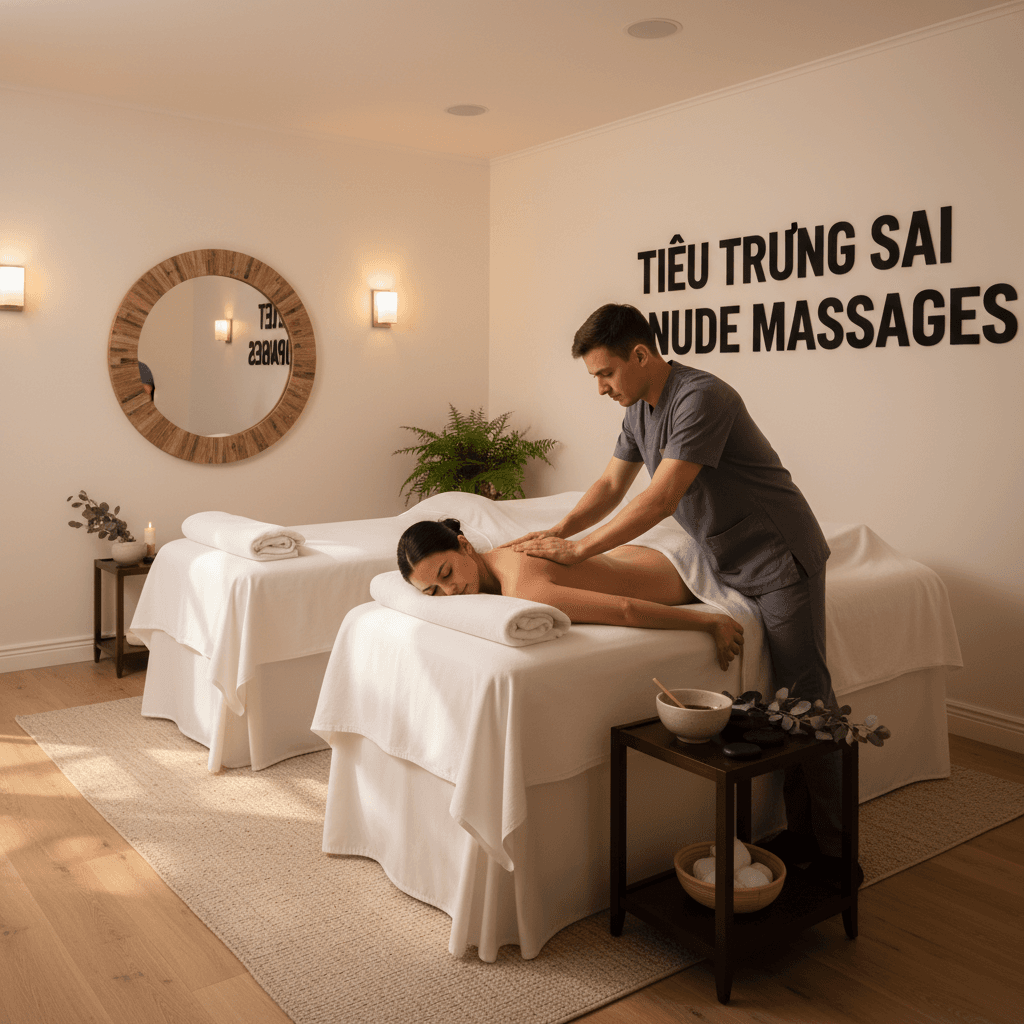
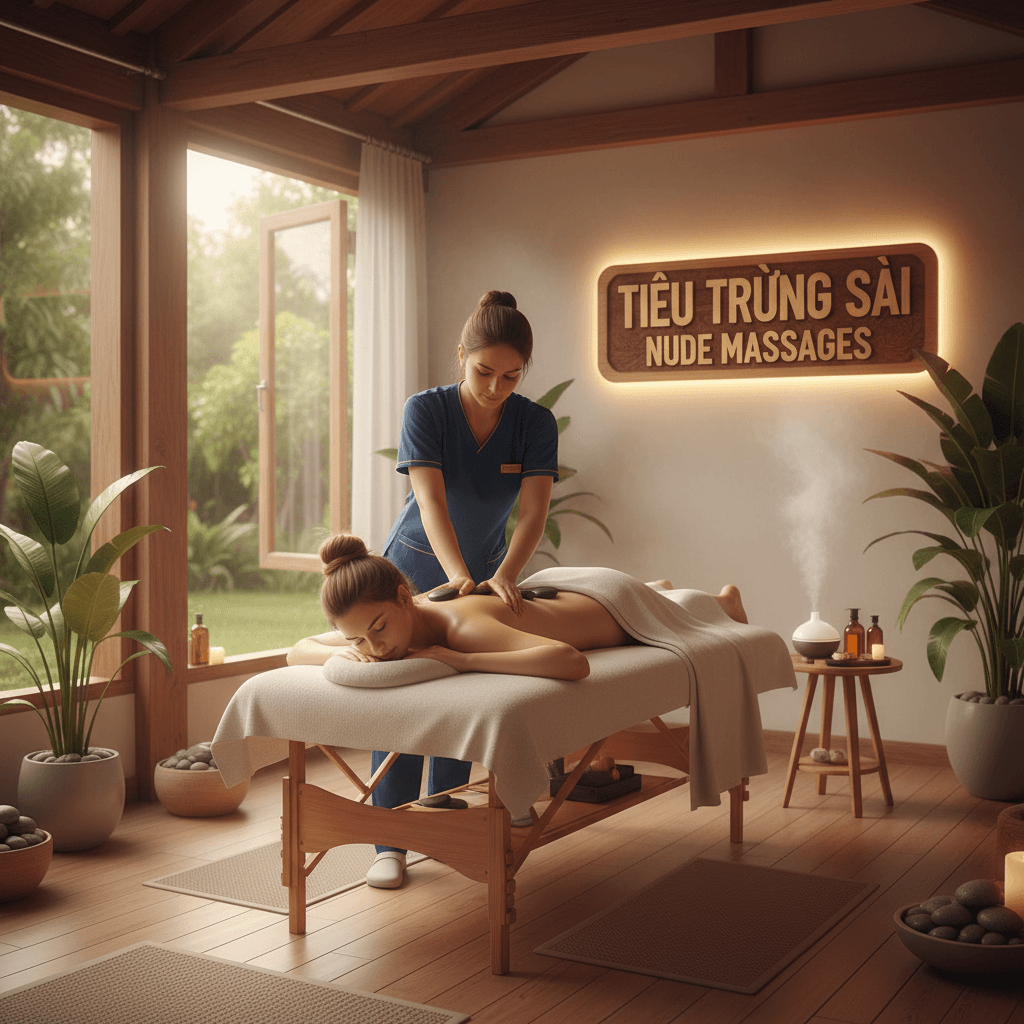
At Tieu Trung Sai Nude Massages, both clothed and unclothed sessions are offered as equally valid options, and the right choice depends on your comfort level and therapeutic goals, nothing more. Clothed sessions work well for clients who prefer that format or are still building familiarity with bodywork. Unclothed sessions allow the practitioner to work across the full musculature without draping limitations, which can improve access to areas like the glutes, hip flexors, and thoracic connective tissue that are common problem zones for desk-bound clients. When a practitioner is not working around fabric or repositioning draping, the session tends to move more efficiently and address more tissue in the same amount of time.
Consent, professionalism, and client comfort are the foundation of every session here, regardless of format. Nothing proceeds without clear communication, and clients can adjust their preferences at any point. The goal is simply to remove unnecessary friction so that personalized massage sessions tailored to your needs become something you return to regularly, not something you talk yourself out of.
Building a Bodywork Routine in San Jose: Practical Tips to Stay Consistent

Removing friction from your format is only part of the equation. The other part is protecting time for bodywork in a schedule that will otherwise fill itself.
San Jose's tech-industry work culture creates a specific consistency problem: massage gets treated as a reward for surviving a brutal sprint rather than a tool for preventing the next one. Add a 45-minute crawl on 880 or a day packed with standups, and it becomes easy to let a month turn into three. The body absorbs that gap and starts rebuilding exactly what earlier sessions cleared.
A few practical habits help counter this:
Book your next session before you leave the current one. Scheduling in the moment costs almost no willpower. Scheduling later, when your calendar is already contested, costs a lot.
Pair bodywork with a wellness anchor you already keep. Attaching your session to a gym day or a yoga class you already hold gives it structural support instead of relying on motivation alone.
Track how you feel the week after a session. A simple note on your phone is enough. Seeing the pattern in your own data is a stronger habit reinforcer than any general advice.
Tell your therapist what you are working on. When your goals are communicated clearly, each session builds on the last rather than starting fresh. That continuity is where the benefits of regular massage therapy actually compound.
At Tieu Trung Sai Nude Massages, the variety of session types tailored to each client's requests means you are not locked into a single format. Find what fits your schedule and your body, and keep showing up for it.
Frequently Asked Questions About Regular Massage Therapy
The habits and scheduling strategies above only hold up if you are confident that the effort is worth repeating. These questions come up often, and the answers are grounded in what the research and the physiology actually show.
Is it good to get massages regularly? Yes. A single session addresses immediate discomfort, but consistent sessions produce cumulative changes in fascial tissue, nervous system baseline, and muscle tone that a one-time visit cannot replicate. The benefits of regular massage therapy compound over time in ways that sporadic sessions simply do not.
What are the long-term benefits of massage? With consistent bodywork, clients typically experience reduced chronic tension and back pain, more stable mood through serotonin and dopamine shifts, improved sleep architecture, better postural alignment, and stronger immune function through cumulative lymphatic stimulation. These outcomes reflect structural changes in tissue and nervous system function, not just temporary relief.
Will massage therapy help with my chronic pain? Consistent sessions address the root patterns driving chronic pain, such as fascial adhesions, muscle spindle misfiring, and habitual guarding, rather than masking symptoms. Most clients with persistent tension notice a meaningful qualitative shift around sessions four through six, once the tissue has received enough repeated stimulus to genuinely remodel.
Can massage therapy improve my posture? Yes, but posture correction requires repeated attention over time. Forward head posture, rounded shoulders, and thoracic tightness are structural issues rooted in fascial imbalance; a single session begins the process, while ongoing work allows those changes to hold. If you are ready to start building that foundation, book your next session and communicate your postural goals from the first visit.
Consistency is the foundation of any effective wellness routine. While a single massage offers immediate relief, regular sessions provide lasting improvements to your physical health and mental clarity. By making therapy a habit, you allow your body to heal more deeply and stay resilient against stress. If you feel ready to explore how expert guidance can support your long-term health goals, you can learn more about our philosophy and approach to personalized care. We are here to help you find balance.