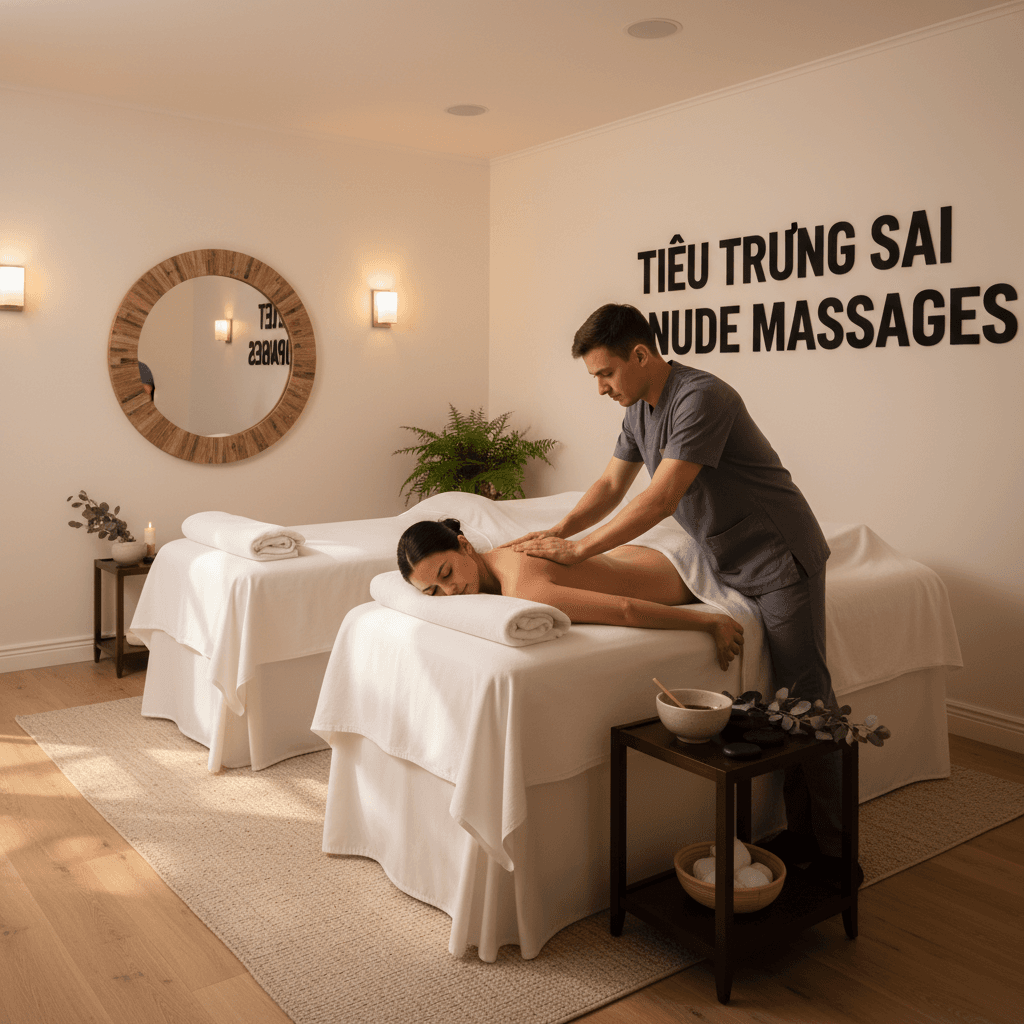
The decision between a clothed vs unclothed massage depends on the specific treatment technique and your individual comfort preferences. Unclothed sessions are typically ideal for full body oil treatments to ensure direct muscle access; conversely, clothed massages work well for targeted pressure or stretching routines that do not require skin contact.
You have been carrying tension in your back, shoulders, or legs for days, maybe weeks, and you finally decide to book a massage, only to hesitate because you are not sure whether to keep your clothes on or take them off. It is a surprisingly common uncertainty, and it stops many people from booking at all or from getting the full relief they came for. The choice between a clothed and unclothed massage is not simply about modesty; it directly shapes the techniques your therapist can use, the depth of muscle access, and ultimately how effective your session will be. In this guide, you will learn the practical differences between both options, which massage styles call for each approach, and exactly how to decide what is right for your body and your goals.
TL;DR: Clothed or Unclothed Massage at a Glance
Both clothed and unclothed massage are legitimate, effective options, and neither is universally better than the other. The right choice depends on three factors: the massage modality you are booking, your personal comfort level with skin contact, and the specific therapeutic outcome you are after. For example, a traditional Swedish or deep tissue session works best with oil applied directly to skin, while Thai massage requires clothing by design. At Tieu Trung Sai Nude Massages in San Jose, you can contact us to discuss your preferences before your session begins so every detail is settled before you get on the table.
What Is the Difference Between a Clothed and Unclothed Massage?
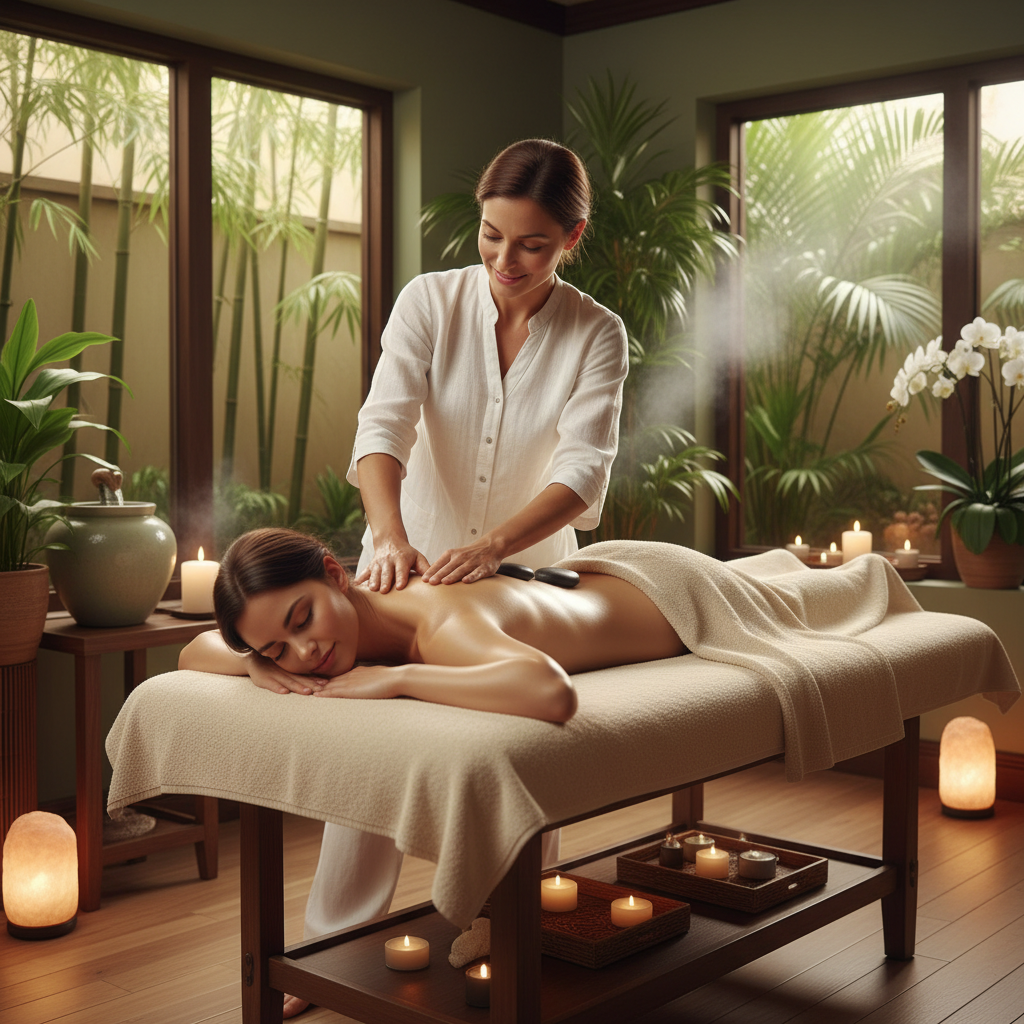
The core difference comes down to skin access and technique. In a clothed massage, you remain fully or partially dressed throughout the session. The therapist works through fabric using compression, acupressure, and assisted stretching. No oil or lotion is applied, and the session can take place on a mat or a chair as easily as a table. Thai massage is the most common example of this format.
In an unclothed massage, you disrobe to whatever level feels comfortable, lie on a padded table, and the therapist applies oil or lotion directly to your skin. This allows for the long, gliding strokes used in Swedish massage and the sustained pressure techniques used in deep tissue work. Direct contact gives the therapist far more information about what is happening in the tissue beneath their hands.
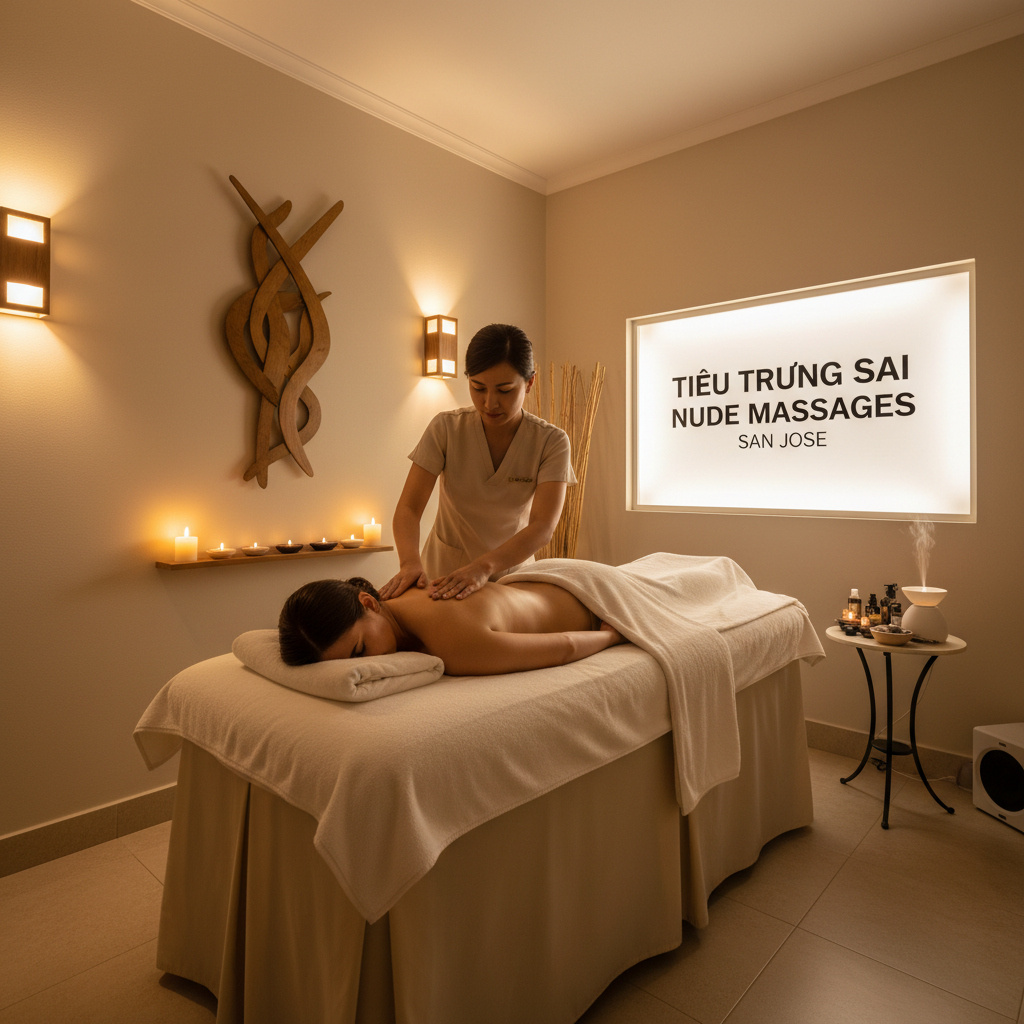
A common concern about the clothed vs unclothed massage question is exposure. In practice, professional draping standards mean a sheet covers every part of your body except the specific area being worked on at that moment. Only one region is uncovered at a time, and it is re-draped before the therapist moves on. You are never fully exposed at any point during the session.
Key Benefits of Unclothed Massage for Muscle Relief
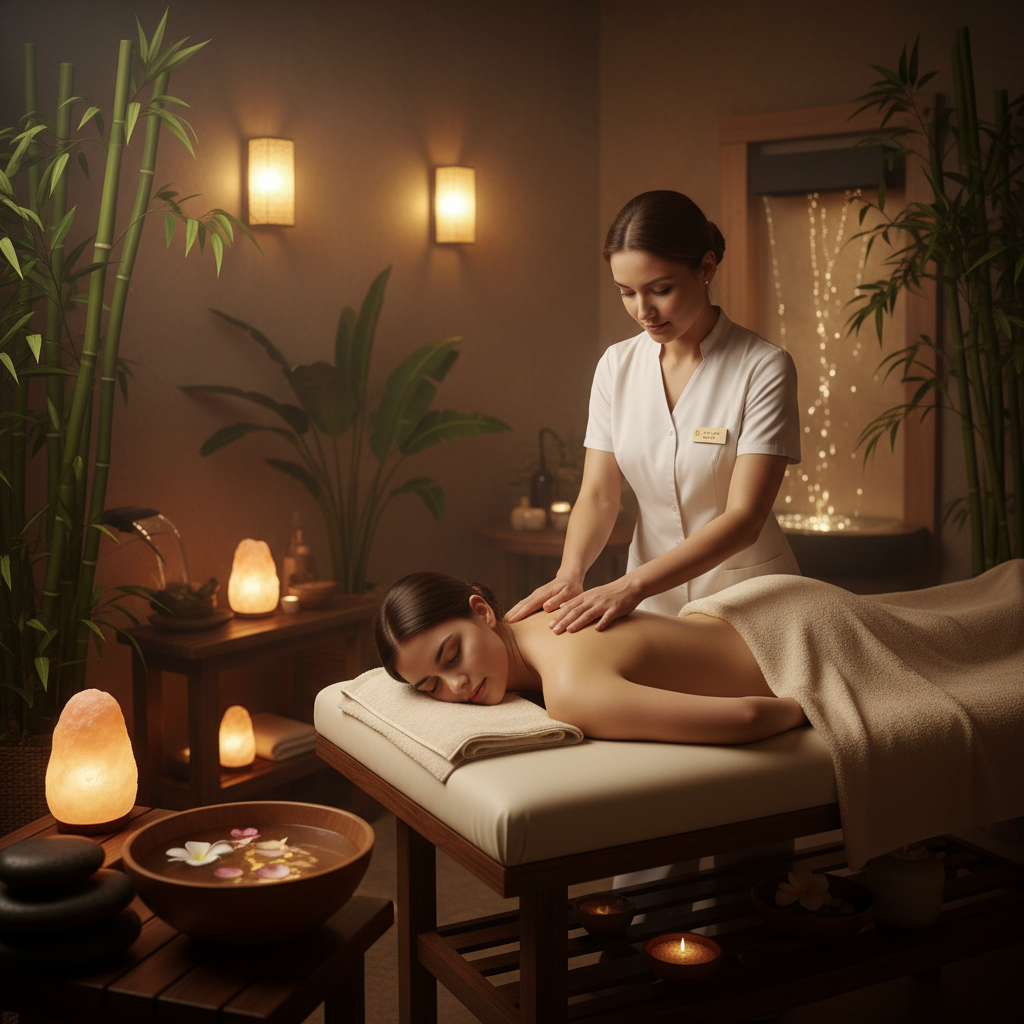
That distinction in skin access is where the therapeutic gap between clothed and unclothed work becomes most apparent. For clients whose primary goal is physical tension relief, direct contact with the tissue consistently produces better clinical outcomes for several concrete reasons.
Accurate tension detection. A therapist working directly on skin can feel the difference between a superficial knot and deeper fascial restriction in real time. Fabric filters that tactile information, making it harder to locate and address the exact source of discomfort.
Unrestricted stroke length and depth. Oil or lotion applied directly to skin allows long, continuous strokes without drag or interruption. This is the mechanical foundation of Swedish and deep tissue work. Short, broken strokes caused by clothing friction reduce both the relaxation response and the therapist's ability to build cumulative pressure through a muscle group.
Full access to the most tension-prone areas. The lower back, glutes, and hamstrings are the three zones where desk workers and people with sedentary jobs accumulate the most chronic tension. The glutes alone are the largest muscle group in the body and act as the connective point between the back and legs. Underwear or waistbands sitting across those areas force the therapist to stop exactly where the work should continue.
Improved circulation response. Direct oil application combined with manual pressure stimulates surface blood flow more effectively than compression through fabric, supporting the tissue recovery that follows deep work.
Clients visiting Tieu Trung Sai Nude Massages in San Jose for targeted muscle relief will find that unclothed sessions, with professional draping throughout, consistently allow for more thorough and effective bodywork. You can explore our massage services to find the session format that matches your therapeutic goals.
When a Clothed Massage Is the Better Choice
The case for unclothed work is real, but it is not the right starting point for every client or every session. There are four specific situations where staying clothed is not a compromise; it is simply the correct call.
First-time or high-anxiety clients. A tense client does not relax well. If the idea of disrobing creates apprehension rather than ease, that apprehension will sit in the muscles for the entire session and undermine the work. Starting clothed lets a new client build trust with the process first.
Modality requirements. Thai massage involves guided stretching, joint mobilization, and compression sequences performed on a mat. The techniques require fabric for grip and leverage; oil would make them impossible. Seated chair massage works the same way. These are not lesser options; they are structurally different disciplines.
Skin sensitivities or contraindications. Some clients have conditions like eczema, psoriasis, or recent sunburn where applying oil or lotion to the skin is not advisable. In those cases, compression work through fabric is the medically sensible route.
Targeted short sessions. If you are booking a focused 30-minute session for neck and shoulders or a foot treatment, disrobing adds time and discomfort without meaningfully expanding what the therapist can access.
Research on massage comfort level and clothing consistently shows that client comfort is a direct input into therapeutic outcome. A fully clothed session where you feel at ease will outperform an unclothed session where you feel exposed and guarded. Effective bodywork always begins with feeling settled on the table.
Which Massage Style Requires Which Clothing Option?
Knowing when to stay clothed and when to disrobe gets much easier when you work backward from the massage modality itself. Each style has a structural logic that points toward a clear answer.
Massage Style | Clothing Norm | Why |
|---|---|---|
Swedish | Unclothed | Oil-based gliding strokes require direct skin contact across large muscle groups |
Deep Tissue | Unclothed | Sustained pressure into deeper layers is most accurate without fabric filtering sensation |
Sports Massage | Clothed or minimal | Dynamic stretching and joint mobilization need fabric for grip; oil would reduce control |
Thai Massage | Fully clothed | No oil is used; techniques depend on leverage through fabric on a mat |
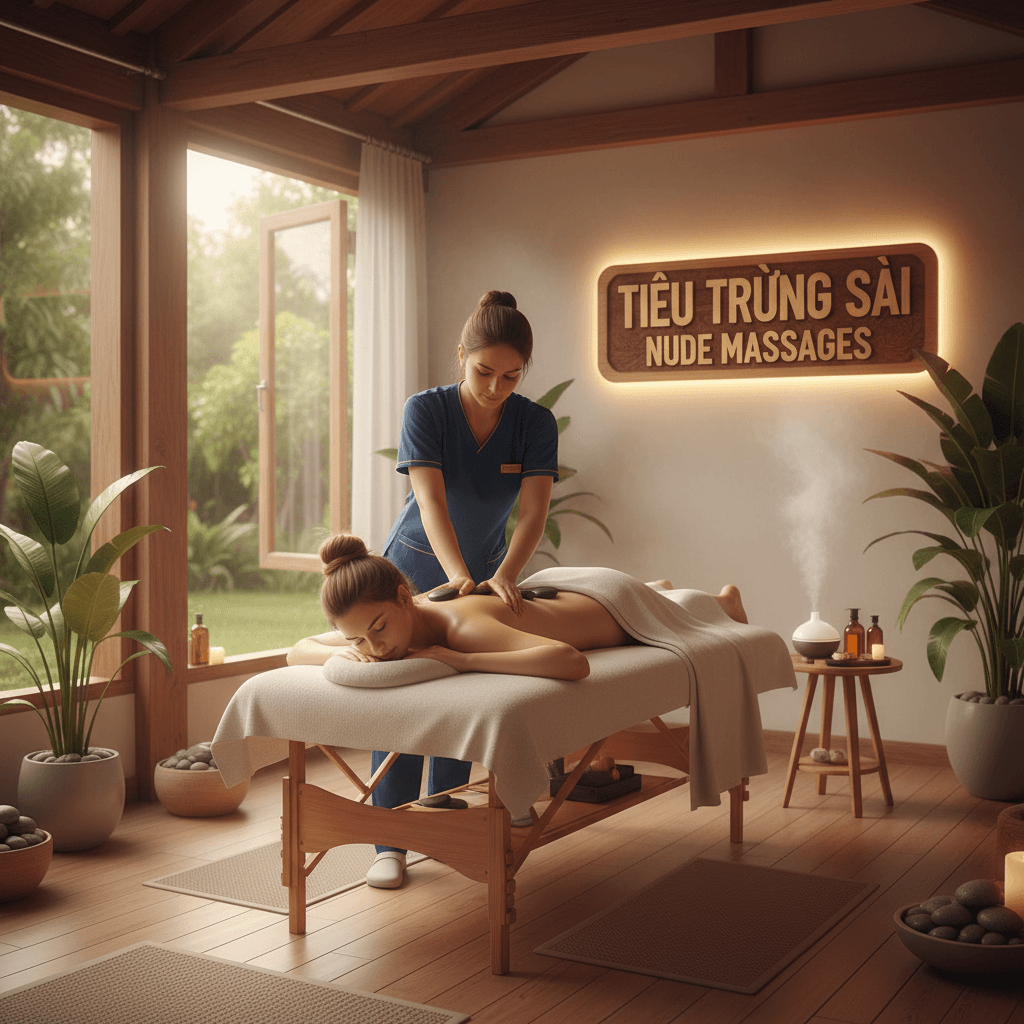
Hot Stone | Unclothed | Stones must contact skin directly to transfer heat and allow fluid placement |
Aromatherapy | Unclothed | Carrier oils infused with essential oils are applied directly; clothing blocks absorption |
A practical note on the question "do you keep your pants on for a massage": for Swedish, deep tissue, hot stone, and aromatherapy sessions, removing pants and underwear allows the therapist to work the lower back, glutes, and hamstrings as a continuous unit rather than stopping at a waistband. For Thai and sports work, pants stay on by design.
At Tieu Trung Sai Nude Massages, sessions are built around individual requests, so if you want to explore our massage services or contact us to discuss your preferences before booking, the specifics of what to wear can be sorted out before you arrive.
Privacy, Draping and Your Comfort: What to Expect at Your Session
That table of modalities answers the what to wear question, but it does not address the anxiety that often sits underneath it. For many first-time clients, the real concern is not clothing; it is exposure. Understanding exactly how a professional session is structured makes that concern much easier to set aside.
The answer to "is it okay to take all your clothes off for a massage" is straightforward: yes, and it is the standard approach for oil-based work like Swedish and deep tissue. The follow-up question, "is it normal to be uncovered during a massage," has an equally clear answer: partially, and only momentarily. Professional draping standards mean a sheet covers your entire body at the start of the session. As the therapist moves through each area, only that specific region is uncovered. Once the work on that area is finished, the sheet comes back down before the therapist moves on. You are never fully exposed at any point.
Keeping underwear on is always an option. The practical trade-off, covered in the previous section, is that waistbands sit directly over the lower back and glutes, the areas where desk workers carry the most chronic tension. If keeping underwear on feels necessary for your comfort, that is a completely valid call. A good therapist adjusts the work to whatever boundaries you set, without comment or pressure.
At Tieu Trung Sai Nude Massages in San Jose, client comfort and privacy are treated as non-negotiable starting points for every session. If you want to talk through what to expect before you arrive, you are welcome to contact us to discuss your preferences so nothing feels uncertain when you get on the table.
How to Decide: 4 Questions to Ask Yourself Before Your Appointment
With draping standards and modality requirements covered, the remaining variable is personal. Running through four specific questions before you book will point you toward the right format without second-guessing once you arrive.
1. What is your primary goal: general relaxation or targeted muscle relief? If you are coming in primarily to decompress and slow down, a clothed session can absolutely deliver that. If you have a specific area of chronic tension, a knot that has not released in weeks, or post-exercise soreness you need addressed at depth, unclothed work with direct oil application will give the therapist the access and precision that job requires.
2. Are you comfortable with direct skin contact, or do you prefer a barrier? This is not a judgment call; it is a comfort audit. If the idea of disrobing feels fine, unclothed sessions will open up more therapeutic options. If it creates tension, starting clothed is the smarter clinical choice, since a guarded body does not release well regardless of technique.
3. What type of massage are you booking? Let the modality answer this one for you. The table in the previous section maps each style to its clothing norm. Swedish, deep tissue, hot stone, and aromatherapy sessions are built around direct skin contact. Thai and sports work are not.
4. Is this your first massage, or do you have prior experience? First-timers benefit from starting clothed or lightly draped to build familiarity with the process. Clients with prior experience already know what level of contact they respond to best, which makes the decision much faster.
The team at Tieu Trung Sai Nude Massages is glad to walk through these questions with you before anything is scheduled. If you want to talk it over first, contact us to discuss your preferences so San Jose clients can arrive with a clear plan rather than uncertainty.
Book Your Personalized Massage Session in San Jose
Once you have worked through those four questions, the path forward is straightforward. At Tieu Trung Sai Nude Massages in San Jose, both clothed and unclothed sessions are available and built around your specific requests, so there is no pressure to commit to a format before you feel ready. Explore our massage services to see the full range of session options, or contact us to discuss your preferences before you book. Either way, you arrive knowing exactly what to expect.
Ultimately, the choice between a clothed or unclothed massage depends entirely on your personal comfort level and your specific wellness goals. Whether you prefer the security of full coverage or the direct skin contact of a more traditional approach, the priority is always your relaxation. If you feel ready to explore these options with professional guidance, you can learn more about our approach to personalized care. We are here to ensure your next session is both restorative and perfectly suited to your needs.