If you end your workday tense, exhausted, and unable to fully unwind, you are not alone. San Jose residents carry one of the heaviest stress loads in the country, driven by long commutes, demanding tech careers, and a cost of living that keeps the pressure constant. That chronic tension does not just disappear on its own; it builds in your muscles, disrupts your sleep, and quietly wears down your health over time. Massage therapy offers a proven, practical way to interrupt that cycle at the physical level, not just the surface. In this guide, you will learn exactly why stress accumulates the way it does, what the science says about how skilled bodywork reverses it, and how to choose the right session frequency and style to feel lasting relief right here in San Jose.
Why San Jose Residents Are More Stressed Than Ever
Silicon Valley does not slow down. If you live or work in San Jose, you already know that the pressure here operates at a different intensity than most American cities. The American Psychological Association consistently reports that work, money, and housing costs rank as the top three stress drivers for U.S. adults, and in a city where the median home price routinely exceeds one million dollars and product launch cycles never seem to pause, those national numbers hit closer to home than the data suggests.
The daily grind compounds fast. A commute on the 101 or 880 that stretches past 90 minutes each way is not unusual. Open-office environments in nearby tech campuses bleed into after-hours Slack messages and midnight email checks. Families in Willow Glen juggling mortgage payments and school decisions, professionals in Downtown San Jose navigating layoff cycles, and small business owners in Japantown absorbing rising operational costs are all carrying stress that does not clock out.
What makes this moment different is that these pressures are no longer temporary. They have become the baseline. And when stress becomes the baseline, the body starts keeping score in ways that are hard to ignore, which is exactly where massage therapy for stress relief San Jose residents are seeking becomes less of a luxury and more of a practical tool for getting through the week.
What Happens to Your Body When Stress Goes Untreated
The body keeping score looks like this: your shoulders creep up toward your ears during a three-hour Zoom block, your neck stiffens from hours of looking slightly down at a laptop screen, and by Thursday you have a dull headache that you have learned to just work through. That is not normal wear and tear. That is chronic stress doing measurable physiological damage.
When your nervous system perceives a threat, it floods the body with cortisol and adrenaline, tightening muscles, elevating blood pressure, and sharpening focus. That response is useful if the threat is brief. It was not designed for a 60-hour workweek, a performance review cycle, or a Slack notification at 11 p.m. When the threat never fully resolves, cortisol stays elevated, and the body remains partially braced. Muscles in the neck, shoulders, and lower back never fully release. Over time, that holding pattern becomes the new normal, and tension that started as a response to stress becomes a structural problem.
Sleep is usually the next casualty. Elevated cortisol suppresses the hormones that trigger deep, restorative sleep, which means the recovery your body needs most is exactly what chronic stress takes away first. Disrupted sleep then feeds back into the stress cycle, making the next day harder to manage. Blood pressure, meanwhile, stays subtly elevated far beyond the original stressor. Studies have shown that these blood pressure increases can persist for days without intervention. For San Jose desk workers already managing demanding schedules, these symptoms compound quietly until the body starts demanding attention in ways that are harder to ignore.
The Science Behind Massage Therapy and Stress Reduction
So what actually happens inside the body during a massage that makes a measurable difference? The answer starts with the autonomic nervous system, which governs whether the body runs in high-alert mode or recovery mode. Chronic stress keeps most people locked in sympathetic dominance, the state where cortisol is elevated, muscles are braced, heart rate is slightly higher than it should be, and the brain is scanning for the next problem. Massage works by activating the opposing system: the parasympathetic nervous system, often called the rest-and-digest state. This is not metaphorical. It is a neurological shift.
The mechanism begins at the skin. Touch receptors in the dermis send signals through sensory nerves to the brain, prompting it to dial down sympathetic activity and allow the parasympathetic system to take over. Breathing slows and deepens. Blood pressure drops. Muscles, no longer receiving the chemical signal to stay contracted, begin to release the tension they have been holding. The body starts doing the repair work that stress had been postponing.
At the same time, the brain increases its production of serotonin and endorphins, neurochemicals that regulate mood and reduce the subjective experience of pain. Cortisol levels measurably decline during and after a session. Research compiled by both the Mayo Clinic and the National Center for Complementary and Integrative Health (NCCIH) points to consistent reductions in anxiety and depression symptoms among people who receive massage regularly, not occasionally.
The blood pressure benefit is especially worth noting. Studies have repeatedly documented that reduced blood pressure can persist for days following a single session, meaning the physiological effects extend well past the appointment itself. For anyone managing the sustained stress load that comes with Silicon Valley work culture, that carry-over matters as much as the relief felt in the room.
Which Type of Massage Works Best for Stress Relief
Knowing that massage activates the parasympathetic nervous system is useful, but the practical follow-up question most San Jose residents have is more immediate: which type of massage should I actually book?
The honest answer is that there is no single best option. The right choice depends almost entirely on how your stress is expressing itself physically at this point in time.
Massage Type | Best For | What It Does |
|---|---|---|
Swedish | Mental decompression, general tension, first-time clients | Broad cortisol reduction, full-body relaxation response |
Deep Tissue | Chronic knots, stiff upper back, tension headaches | Targets specific muscle layers holding accumulated stress patterns |
Full Body Session | Comprehensive reset, whole-system tension release | Addresses multiple problem areas in a single, connected session |
For someone who leaves work every day with shoulders locked up near their ears and a recurring headache sitting at the base of the skull, a Swedish session that skims the surface may leave the underlying tension untouched. Focused deep tissue work in the upper back and cervical area often delivers more measurable relief in that specific situation.
For someone whose stress is more diffuse, less a matter of specific knots and more a general state of being wired and unable to fully exhale, a full body relaxation session is often the better reset. The goal there is systemic: let the parasympathetic nervous system take over completely, which a broad, continuous session supports better than targeted work alone.
The sessions that consistently deliver the most stress relief value are personalized massage sessions that stay responsive throughout the appointment. Stress patterns shift from week to week, and a skilled practitioner who adjusts pressure and focus areas based on what the body is presenting that day addresses stress more accurately than a fixed protocol ever could.
How Often Should You Get a Massage for Ongoing Stress Relief
Knowing which massage type addresses your stress pattern is step one. Knowing how often to book is where most people stall, and it is the question that practitioners field constantly but rarely see answered clearly in writing.
A single session does provide real, measurable relief. Cortisol drops, muscles release, blood pressure comes down. But those effects are temporary if the underlying stress load continues, which in a Silicon Valley work environment it almost always does. The body returns to its braced holding pattern within days because the inputs driving that pattern have not changed. What regular bodywork does differently is shift the baseline. Consistent sessions train the nervous system to return to a parasympathetic state more readily, and muscle tissue that receives regular work stops accumulating tension at the same rate.
For high-stress lifestyles common to San Jose professionals, practitioners generally recommend bi-weekly or monthly sessions depending on the intensity of what someone is carrying. Consistency matters more than duration in most cases; a 60-minute session every three weeks tends to produce better cumulative results than a single two-hour appointment every few months.
Clients managing acute stress, a difficult product launch, a major life transition, a period of compounding work and personal pressure, often benefit from starting with more frequent appointments and then shifting to a maintenance schedule once the acute phase stabilizes. That progression is practical and widely used in ongoing massage therapy for stress relief San Jose clients are building into their routines.
What to Expect at a Personalized Bodywork Session in San Jose
Once a maintenance schedule starts taking shape, the next practical question is what an actual session looks like, especially for first-time clients who have never worked with a practitioner outside of a chain spa environment.
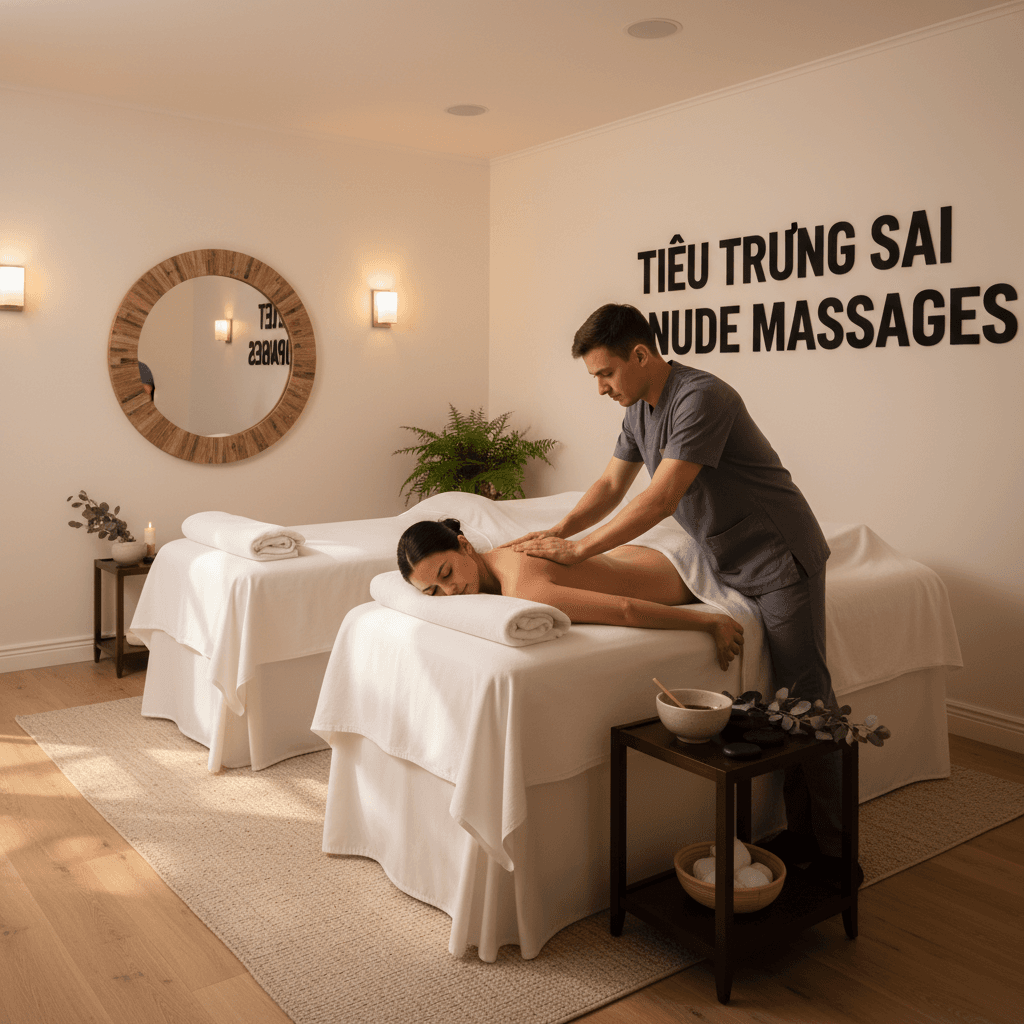
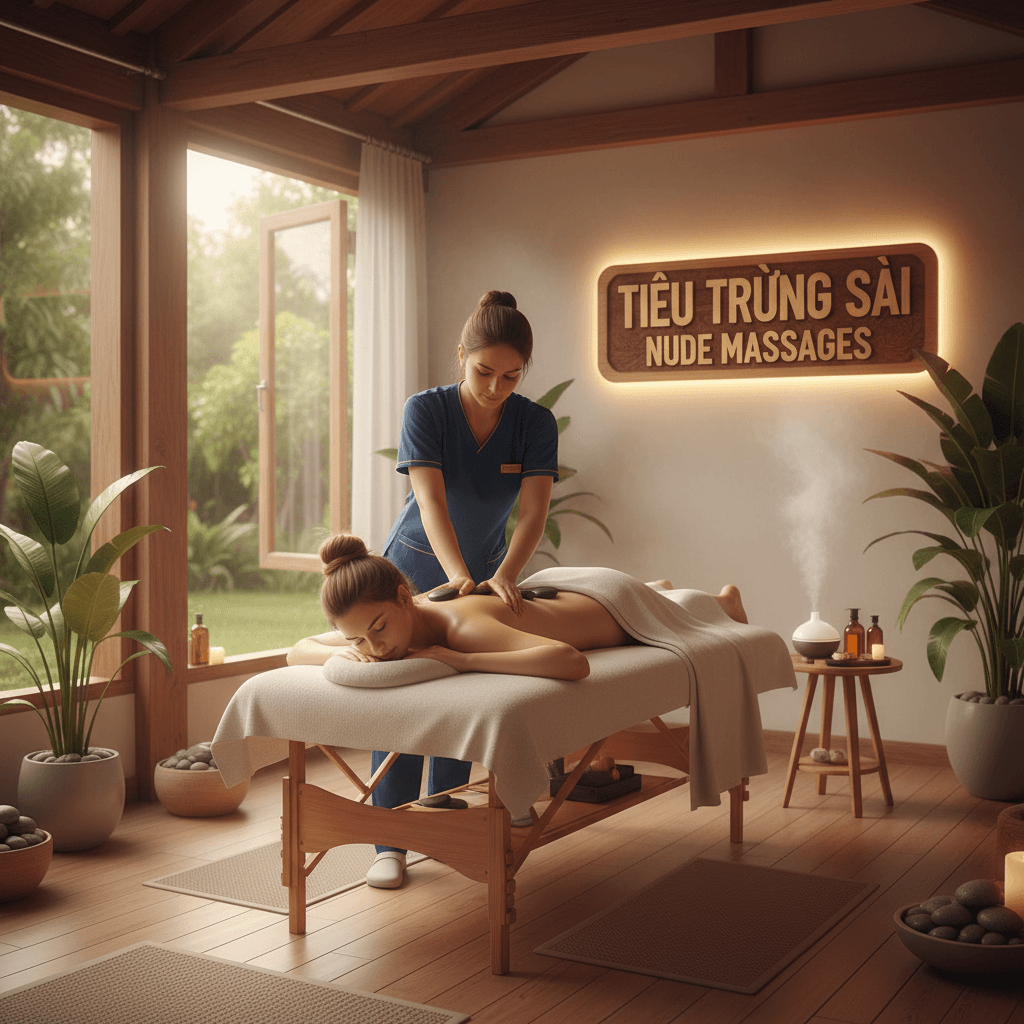
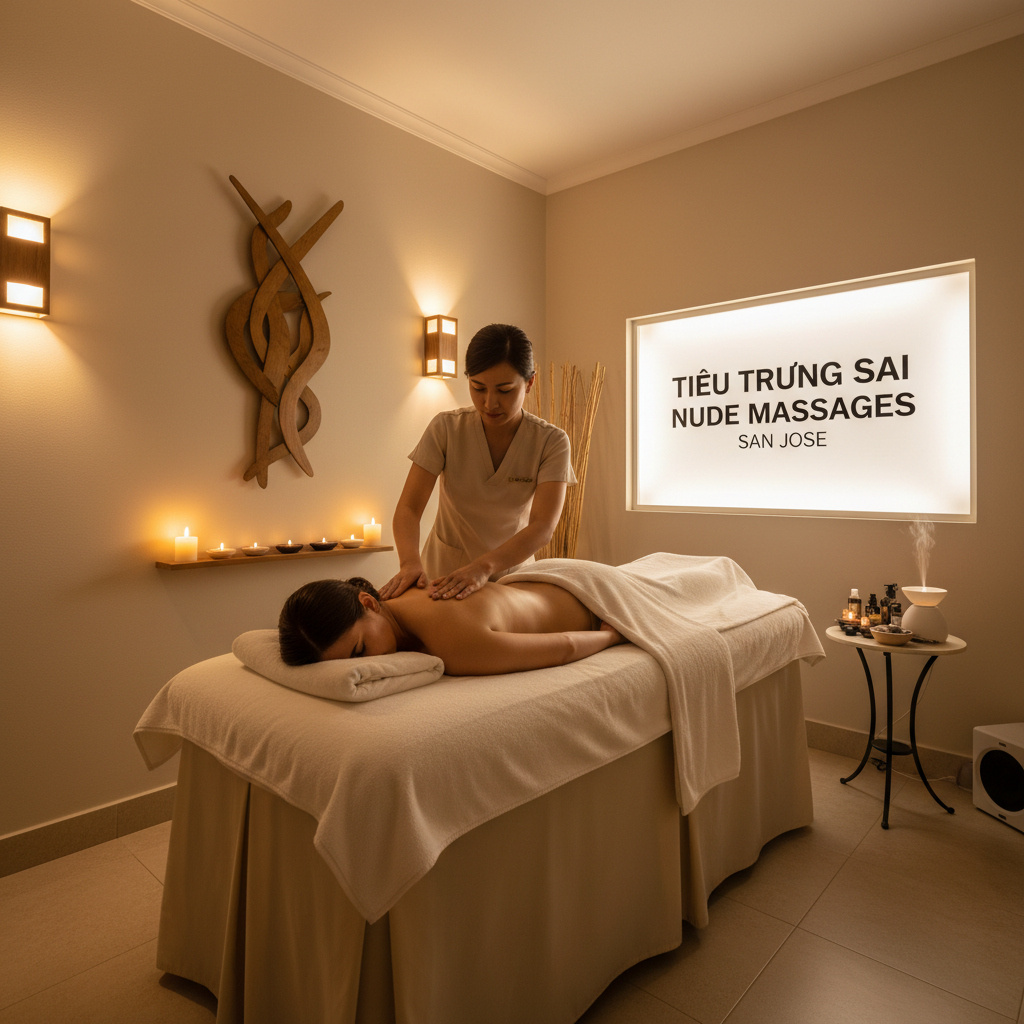
At Tieu Trung Sai Nude Massages, a session begins with a brief conversation. Before any bodywork starts, you communicate where tension has been accumulating, what your body has been doing this week, and what you are hoping to get out of the appointment. For a Downtown San Jose professional who spent the week hunched over a laptop in back-to-back meetings, that might mean prioritizing the upper back, neck, and base of the skull. For someone whose stress is more systemic and sleep-disrupting, the focus might shift toward full-body work designed to move the nervous system into a parasympathetic state and keep it there.
Comfort level is always part of that initial conversation too. Clients choose between clothed and unclothed session options based on personal preference, and there is no pressure in either direction. Our personalized massage sessions are structured around the individual, not a fixed protocol, which means pressure, technique, and focus areas are adjusted throughout the appointment based on how your body is actually responding, not how a standard service menu says it should.
Every body holds stress differently, and a session that adapts to that reality in real time delivers meaningfully more relief than one that follows a preset sequence regardless of what the practitioner finds. First-time clients are always welcome to ask questions before booking.
Simple Habits to Extend the Benefits Between Sessions
A personalized session does the heavy lifting, but what happens in the days after an appointment shapes how much of that relief actually carries forward. A few targeted habits can extend the parasympathetic shift that bodywork initiates, without requiring anything elaborate.
Diaphragmatic breathing. Slow, belly-focused breathing directly activates the parasympathetic nervous system using the same pathway massage triggers. Even three to five deep breaths during a stressful moment on the 101 or between back-to-back meetings can interrupt the cortisol loop before it fully sets in.
Gentle neck and shoulder movement. Slow chin-to-chest tilts and shoulder rolls done twice a day help desk workers prevent tension from re-accumulating in the areas bodywork just released. The goal is not a workout; it is keeping the tissue from locking back into the braced holding patterns chronic stress creates.
Stay hydrated after a session. Massage improves circulation and moves fluid through the lymphatic system. Drinking water in the hours following an appointment helps muscles clear metabolic byproducts and supports the tissue recovery that the session started.
Limit screens before bed. Massage measurably improves sleep quality by reducing cortisol in the evening hours. Late-night device use raises cortisol again and undercuts exactly that benefit. Protecting the hour before sleep protects the sleep improvements your session worked to create.
None of these replace personalized massage sessions, but each one stretches the value of professional bodywork further into the week.
Ready to Release Tension: Book Your Stress Relief Session in San Jose
Those habits between sessions matter, but they work best when there is a solid professional foundation underneath them. If your stress has been accumulating for weeks or months, the body needs more than breathing exercises to reset. That is where consistent, skilled bodywork makes the difference that self-care alone cannot.
Tieu Trung Sai Nude Massages offers personalized massage sessions in San Jose built around your specific tension patterns and stress presentation, not a generic sequence applied the same way to every client. San Jose residents managing the particular pressures of Bay Area work culture, long commutes, and the cost-of-living grind deserve bodywork that actually addresses what they are carrying.
If you are ready to do something concrete about the tension you have been tolerating, contact us to book your session and we can talk through which session format makes the most sense for where you are right now.
Prioritizing your well-being through massage is a powerful way to manage the unique pressures of living in San Jose. While incorporating small moments of relaxation into your daily routine is helpful, the deep restoration achieved through professional sessions often provides the most lasting results. If you find that you want expert help in reaching your wellness goals, you may wish to learn more about our philosophy. Investing in your health through professional bodywork allows you to remain balanced, focused, and resilient.