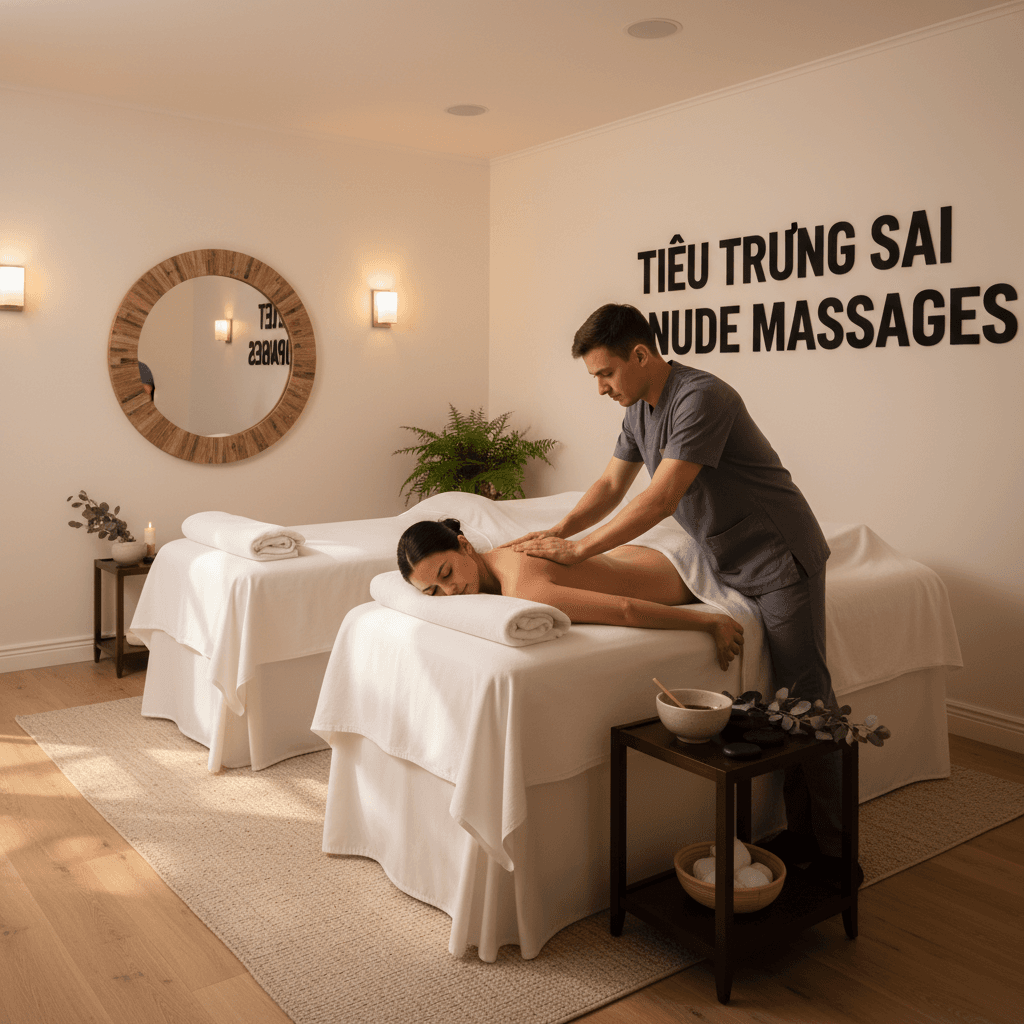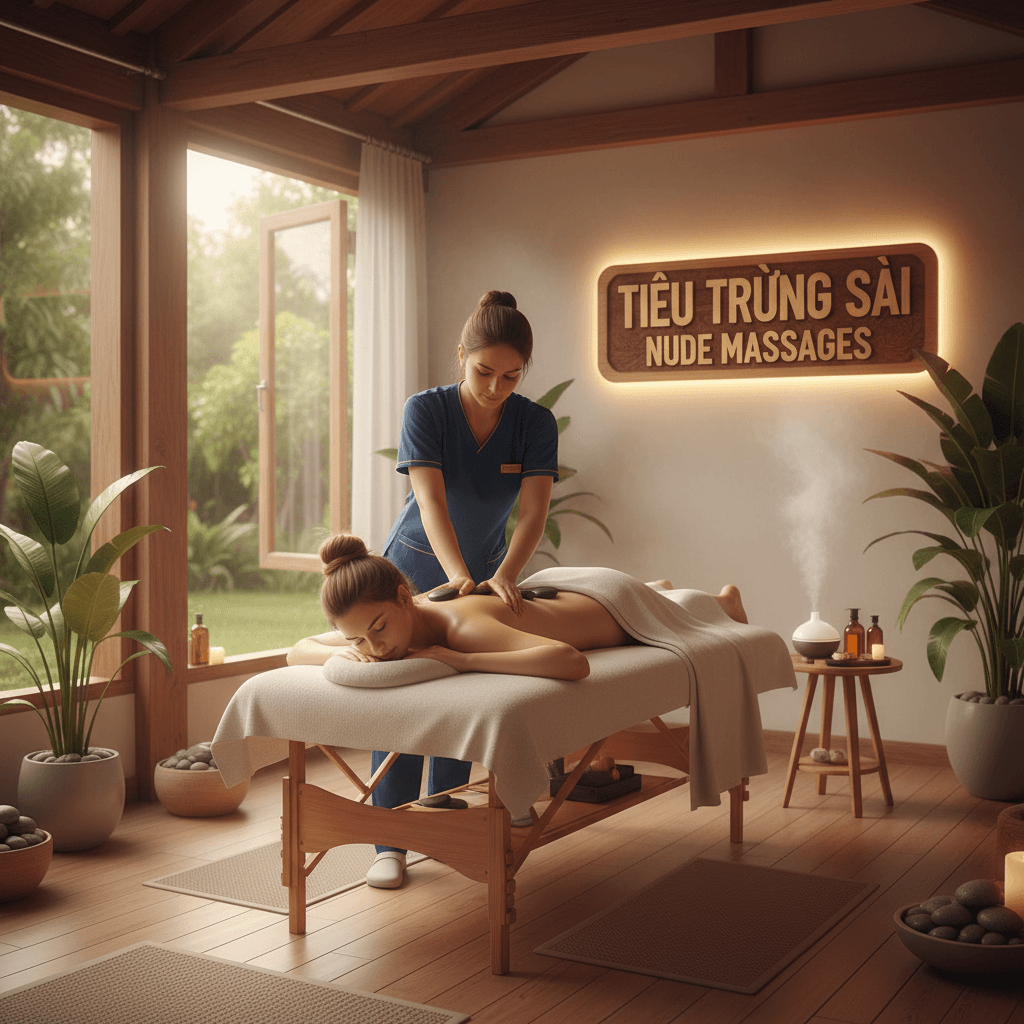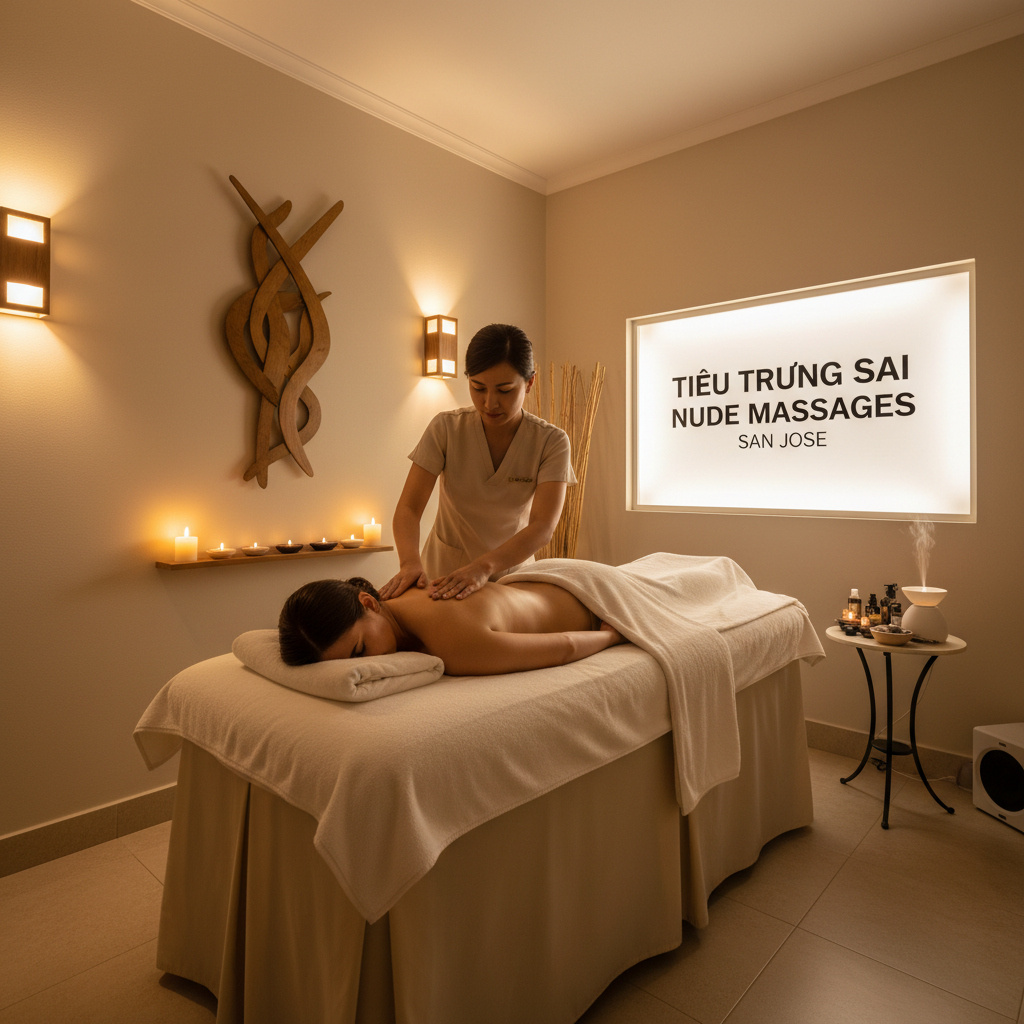
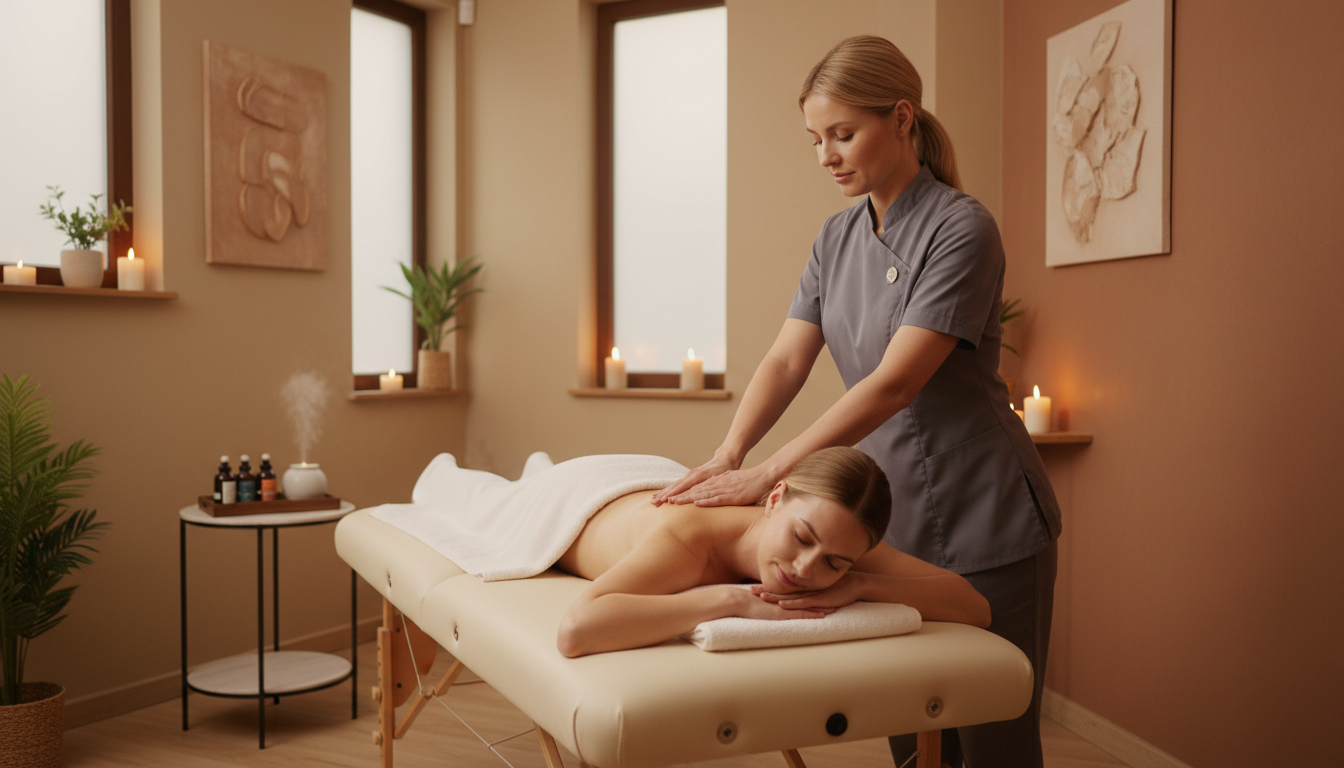
The primary benefits of unclothed massage therapy include deeper muscle relaxation and improved blood circulation because the therapist can work directly on tissues without the barrier of clothing. This approach allows for better access to pressure points and maximizes the therapeutic effects of skin-to-skin contact; meanwhile, professional draping ensures client privacy and comfort throughout the session.
Tight shoulders, chronic lower back tension, and stubborn muscle knots that never seem to fully release, these are the frustrations that bring most people through our doors at Tieu Trung Sai. If you have tried massage before and walked away feeling only partially relieved, the issue may not have been the technique but the barrier between skilled hands and your body. Unclothed massage therapy allows therapists to work with greater precision, better muscle access, and a level of relaxation that simply cannot be achieved through fabric. In this article, you will learn exactly what unclothed massage involves, how professional draping keeps you comfortable and covered throughout, what your real options are, and what to expect during your first session in San Jose.
What Is Unclothed Massage Therapy and Who Is It For?
Unclothed massage therapy is a professional bodywork practice in which a client removes clothing so the therapist can work directly on the skin, using oils or lotions to address muscle tension, restricted movement, and chronic discomfort. This is not a niche or unusual service. It is the standard format at most licensed massage practices because direct skin contact gives the therapist the access needed to apply meaningful, targeted pressure.
The benefits of unclothed massage therapy are most apparent for specific groups. Clients dealing with chronic tension in the lumbar region, trapezius, or glutes often find that clothing physically prevents the therapist from reaching the full length of those muscle groups. People seeking deep tissue work, full-body relaxation, or treatment of specific trigger points also get measurably better results without fabric in the way. Even clients who simply want to fully decompress after a demanding week find the experience more effective.
At Tieu Trung Sai in San Jose, both clothed and unclothed sessions are available, each tailored to the individual. View our massage services to find the format that fits your needs.
Better Muscle Access Means More Effective Bodywork
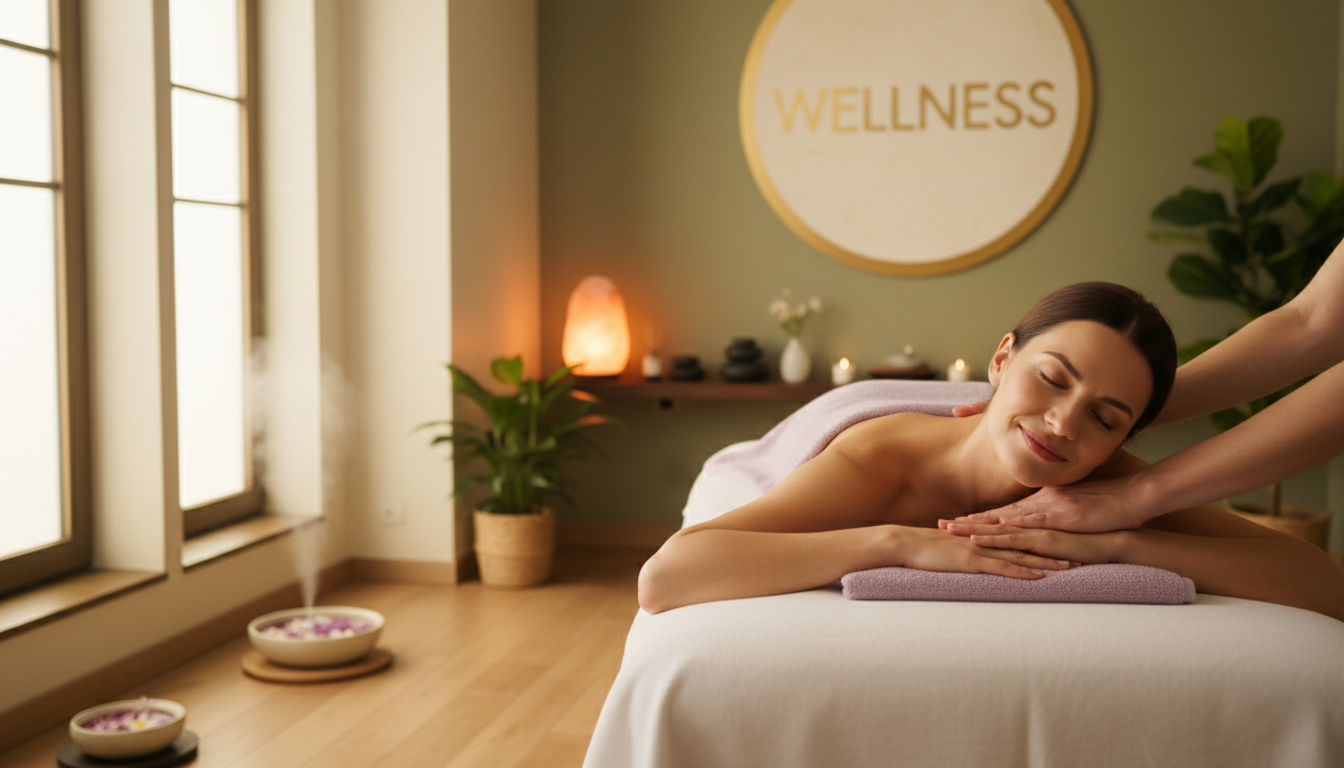
Clothing does more than cover the body during a massage. It actively interferes with the therapist's ability to do the job properly. A tight waistband compresses the lumbar erectors at the exact point where tension most commonly accumulates. Bra straps cut across the trapezius, creating a pressure barrier that forces the therapist to work around the very muscles that need the most attention. Layered or bunched fabric shifts during treatment, breaking contact and forcing constant readjustment. The result is fragmented work rather than the sustained, connected strokes that produce real relief.
Direct skin contact changes this entirely. When a therapist works on bare skin, they can feel the difference between a muscle holding tension and one beginning to release. That feedback is immediate and continuous. Trigger points, which are dense knots of contracted muscle fiber, are far easier to locate through skin than through fabric. The therapist can adjust depth and angle in real time based on how the tissue responds, something that is simply not possible when a layer of clothing absorbs and diffuses that sensory information.
Oils and lotions are another factor that competitors mention but rarely explain fully. These products are formulated specifically for skin application. On bare skin, they create the right amount of glide for long, uninterrupted effleurage strokes that travel the full length of a muscle group, from the base of the skull down through the rhomboids, or from the iliac crest through the glutes. These extended strokes improve local circulation, help flush lactic acid from fatigued tissue, and allow the nervous system to respond to treatment as a whole rather than in isolated segments.
The benefits of undressing for massage therapy are not abstract. They show up in how thoroughly a session addresses the problem areas a client came in with. An uncovered massage simply gives the therapist the access and precision that effective bodywork requires.
How Privacy and Draping Protect Your Comfort Throughout the Session
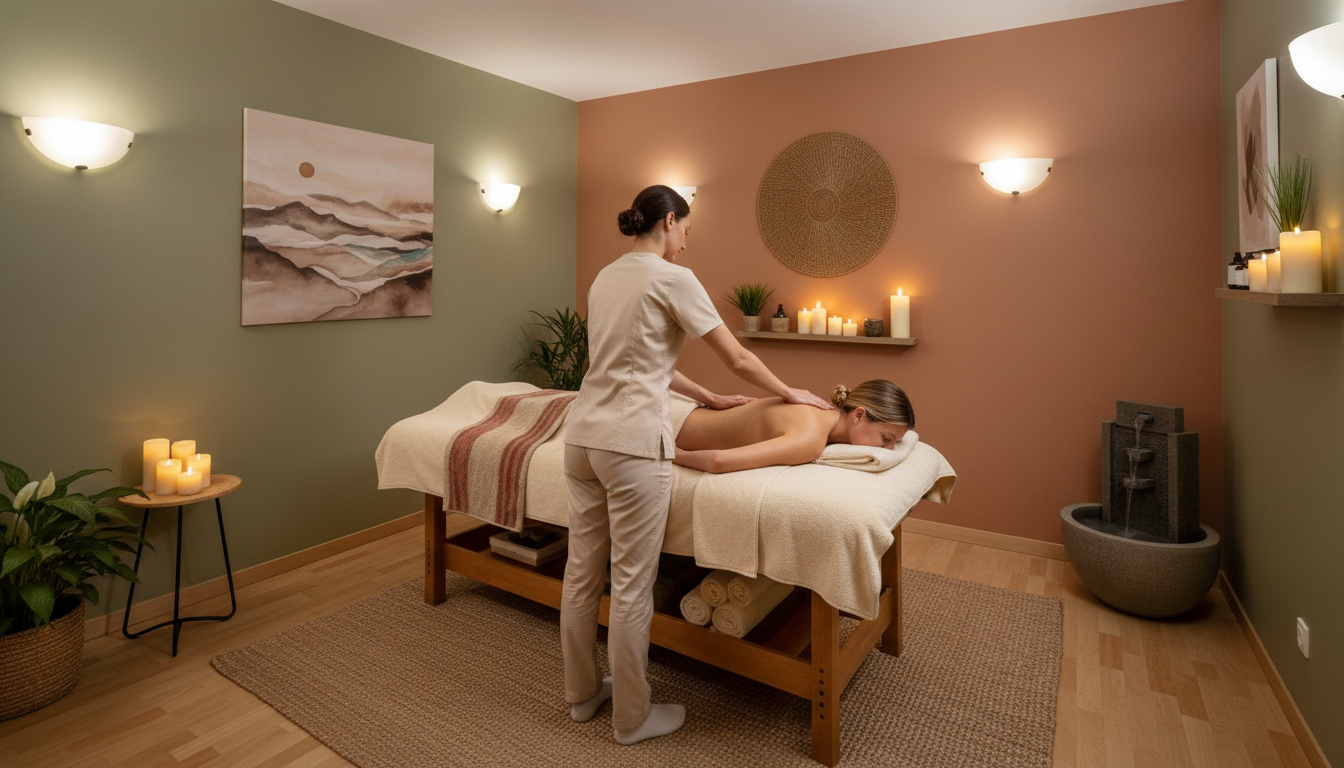
Knowing that a session produces better results is one thing. Feeling genuinely comfortable walking into it is another. For many first-time clients, the concern is not whether unclothed massage therapy works; it is whether they will feel exposed or vulnerable during the process. The answer to that concern is draping, and it is worth understanding exactly how it functions.
Professional draping means that only the area being actively worked on is uncovered at any time. If the therapist is addressing your left hamstring, that area is exposed. Everything else, your back, hips, arms, and opposite leg, remains covered by a sheet or towel. When the therapist moves to a new area, the covering shifts accordingly. These transitions are handled deliberately and without unnecessary exposure. The draping is not symbolic. It is a precise, trained protocol that keeps the client covered throughout the entire session.
The step-by-step experience looks like this:
You are shown to a private room and given complete privacy to undress at your own pace.
You lie down on the massage table and pull the sheet over yourself before the therapist enters.
The therapist knocks and enters only when you are settled and ready.
Throughout the session, only the area being worked on is uncovered; all other areas stay draped.
When the session ends, the therapist steps out and you redress privately before leaving the room.
At every point, you remain in control. If you want a particular area left covered, you say so and it stays covered. If your comfort level shifts during the session, you can communicate that and the therapist adjusts immediately. Client direction is not just welcomed; it is the standard.
At Tieu Trung Sai in San Jose, each session takes place in a private room specifically arranged to support this kind of discretion. The environment is designed so that from the moment you arrive to the moment you leave, your comfort and privacy are the organizing priority.
The Mind-Body Relaxation Advantage of Removing Clothing Barriers
Physical access is one part of what makes unclothed sessions more effective. The neurological dimension is the part that competitors rarely address, and it matters just as much.
The nervous system does not fully enter a parasympathetic state, what physiologists call rest-and-digest mode, when it is processing competing sensory signals. Bunched fabric pressing into the lower back, a waistband digging in as the therapist works around it, or a shirt hem riding up and catching on the table surface are all low-level irritants. Individually, they seem minor. Together, they keep the brain partially occupied with physical discomfort rather than allowing it to settle into the receptive state where deeper muscle relaxation actually occurs.
When the body feels physically unrestricted, that processing load drops. Anxiety tied to physical constriction decreases alongside it. The muscles, which hold a significant amount of stress-related tension independent of any structural injury, become more responsive to therapeutic input. This is the therapeutic window that unclothed massage therapy comfort opens: a state where the body is not just being worked on but is actively participating in the release.
For clients in San Jose navigating high-output tech-industry schedules, this dimension carries particular weight. Chronic stress does not stay in the mind. It accumulates in the cervical spine, the jaw, the hip flexors. A session that addresses only the physical layer while the nervous system remains in a low-grade alert state produces partial results. Full mental and physical decompression requires both, and removing clothing barriers is one of the most direct ways to support that process from the moment the session begins.
Do You Have to Be Fully Unclothed? Your Options at Tieu Trung Sai
That neurological ease the previous section describes starts before the first stroke. It begins with a simple decision: how much, if anything, to remove. The answer is entirely yours.
No client at Tieu Trung Sai is required to fully undress. The spectrum looks like this in practice:
Fully unclothed: Allows the broadest muscle access and the most effective oil application, which is why many clients who come in for deep tissue or full-body work choose this option.
Underwear on: A common preference, especially for first-time clients. Therapists adjust draping and technique accordingly, working around the waistband where possible and focusing pressure on accessible areas.
Lightweight clothing: Some clients prefer thin, flexible garments for specific sessions. Techniques shift to accommodate this, with less reliance on gliding strokes and more focus on compression and targeted pressure work.
None of these preferences reduce the quality of the session. They shape how the therapist approaches it. A skilled therapist reads what is available and works precisely within those parameters.
Tieu Trung Sai also offers personalized session structures and additional options including public massage add-ons for clients who want a different kind of relaxation experience. View our massage services to see the full range and find the format that fits where you are today, not where you think you should be.
What to Expect at Your First Unclothed Massage Session in San Jose
Knowing your options is one thing. Walking in for the first time is another. A few practical details make the difference between arriving settled and arriving uncertain.
What to wear to your appointment: Choose clothing that comes off easily, loose pants, a simple top, nothing with complicated fastenings or compression layers. You will undress in private, but starting with straightforward clothing removes one small friction point from the experience.
Showering beforehand: A shower before your session is considerate and helps you feel more comfortable on the table, but it is not required. If your schedule does not allow it, the session is not affected.
Communicating preferences at the start: Before the session begins, tell the therapist which areas you want focused on, which areas you want avoided, and how much pressure you prefer. This is not an interruption; it is information the therapist needs to do the work well. If your comfort level shifts during the session, say so directly. The therapist adjusts immediately, no explanation required.
Areas that are always off-limits: Professionally trained therapists never work on the genitals, inside the mouth, or directly on broken, injured, or inflamed skin. These boundaries are not negotiable and are maintained in every session regardless of the service format.
Tieu Trung Sai's San Jose studio is arranged specifically to put first-time clients at ease from the moment they walk in. Private rooms, clear communication at intake, and a straightforward process mean there are no surprises. Contact us to book your session and let the studio know it is your first visit.
Frequently Asked Questions About Unclothed Massage Therapy
### Will the massage still be effective with clothes on?
Yes. Clothing does not make a session ineffective, but it does limit what the therapist can accomplish. Pressure application becomes less precise, oil and lotion cannot be used properly, and long gliding strokes that cover the full length of a muscle group are not possible through fabric. For targeted relief of chronic tension or deep tissue work, unclothed sessions consistently allow more thorough results. Clients who keep clothing on receive a quality session; they simply receive a different one.
### Is unclothed massage therapy the same as erotic massage?
No. Professional therapeutic bodywork and erotic massage are entirely separate categories. The benefits of unclothed massage therapy are physiological: improved muscle access, better circulation, more accurate trigger point work. Licensed therapists maintain strict ethical boundaries throughout every session, and areas off-limits include the genitals without exception. The unclothed format exists to remove physical barriers to effective treatment, not for any other purpose.
### How is draping handled during the session?
Only the area being actively worked on is uncovered at any time. All other areas remain covered by a sheet or towel. Transitions between areas are handled deliberately and without unnecessary exposure. Clients direct what stays covered, and the therapist adjusts immediately to any preference.
### How do I book an unclothed massage session in San Jose?
Tieu Trung Sai is located in San Jose and offers both clothed and unclothed sessions tailored to individual needs. Contact us to book your session or view our massage services to choose the format that fits your goals.
Choosing the right environment for your massage can significantly enhance the therapeutic results by removing physical barriers and fostering a deeper sense of trust. When you prioritize your own comfort and privacy, the body can truly enter a state of complete relaxation. If you want expert help in navigating this wellness journey, understanding the philosophy behind our approach is a helpful next step. You can learn more about our dedicated team and the professional standards we maintain to ensure every session is both safe and effective.